


Why Should We Use Modern Technologies for Software Development?
The largest software development area of HDWEBSOFT is application development. Development productivity is one of the most important points to measure the success of the business. Here are a few reasons why we should apply modern technologies for software development.
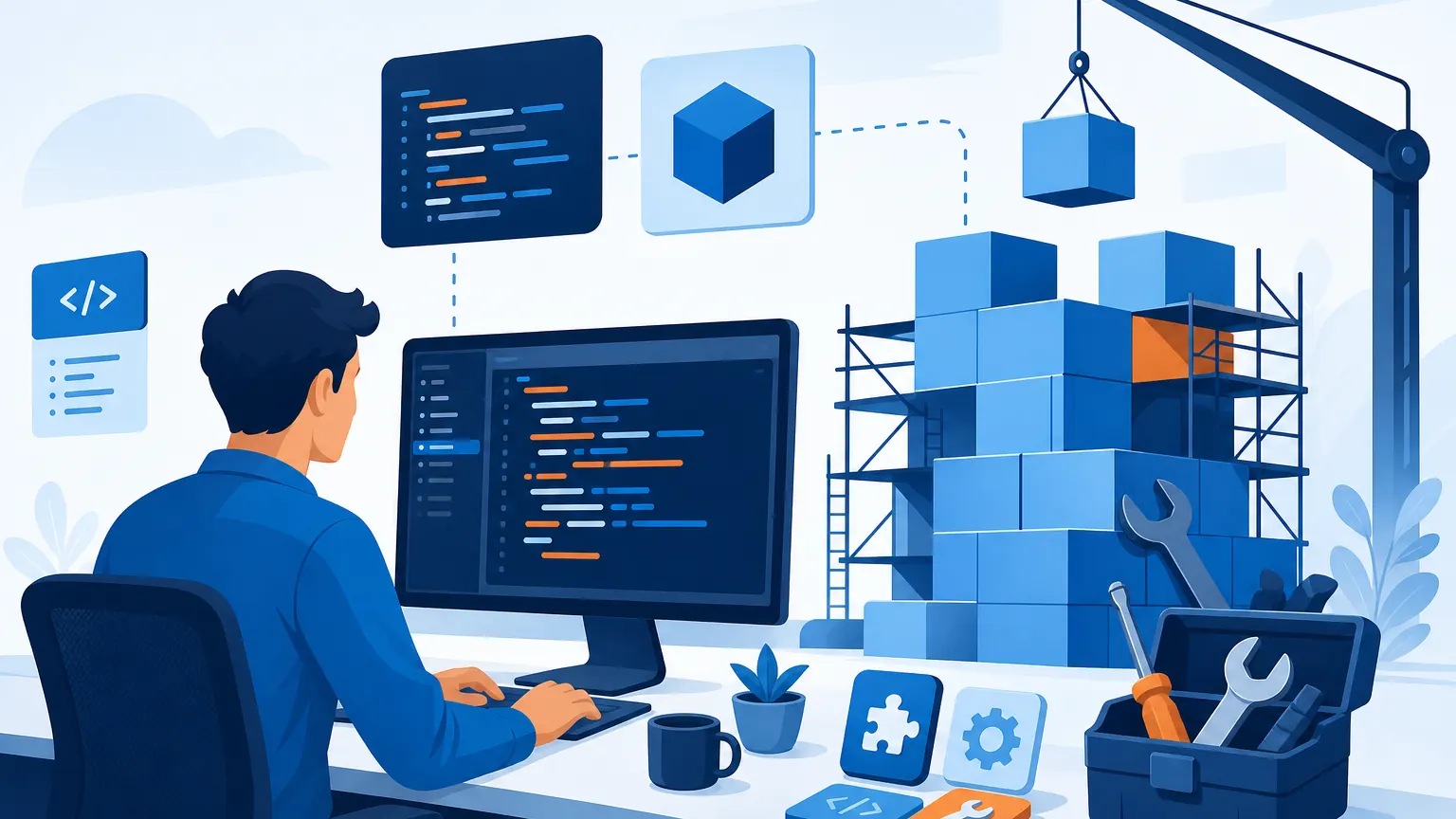
Reducing Developed Efforts
This point is quite natural, especially for application development. Modern technologies have learned from the legacy ones and have been improved their imperfections:
- Cleaner & clearer syntax.
- Better development toolkits, IDEs, SDKs
- Easier to debug
- Easier to learn
- Scaffolding: easily and stably resolve the common situation that requires more effort from the legacy ones.
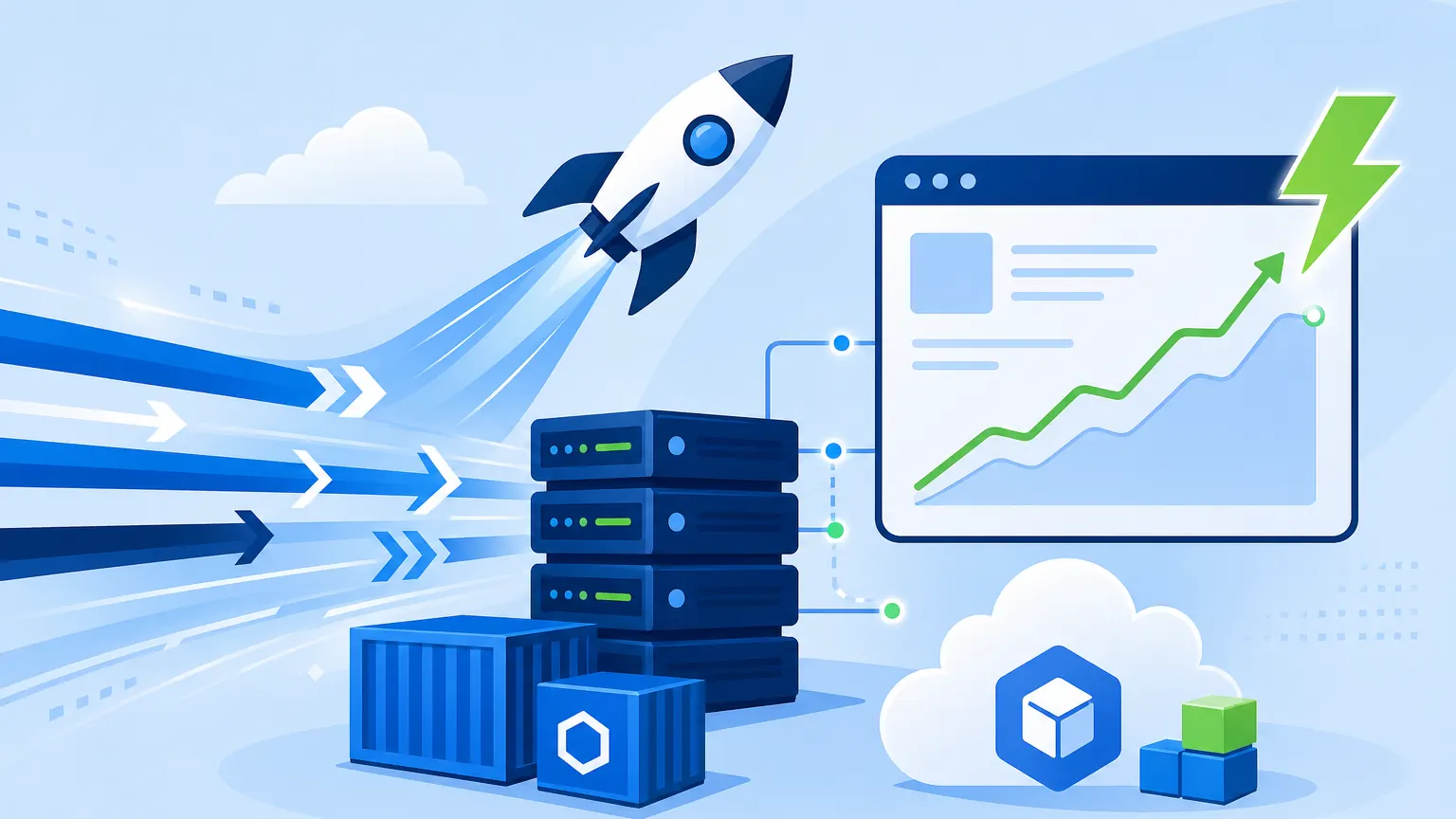
Increasing Application Performance
This point is also natural. No one wants to create new technology with bad performance.
Application performance should always be taken into consideration when evaluating new technologies or making architectural decisions, including increasing the use of virtualization and software as a service. To plan for growth, you also need to get a baseline of current performing limitations by understanding how your applications operate.

Well Supporting with Large Communities
New technologies, especially the one which solves the key issues will be tracked, built, and supported by a big group of people from developers to project managers. Their activities will build very large communities. Consequently, new technologies are being quickly completed.

Compatibility
A single technology is not being developed alone. In many cases, it is forced by a wave of technological development. This wave is led by giants such as Google, Microsoft, Apple, IBM, Oracle, etc. If a technology stopped its development, it is most likely that it will be out-dated and eliminated.
How Does HDWEBSOFT Catch the Technology Trends?
HDWEBSOFT has an R&D team of the most talented and experienced software engineers. Whenever a new technology is onboarded, they will be the pioneers in researching and measuring that new technology.

Pioneers
The ones carefully catch the trend and measure new technologies. The measure is not only at a technical level but also at a business level. Basically, they will answer these questions:
- Is it really new, or just a better version of what we already have?
- Which project types are the best of that technology application?
- If it’s just a new technology competitor, can it step by step decrease its competitors’ influences?
Determination
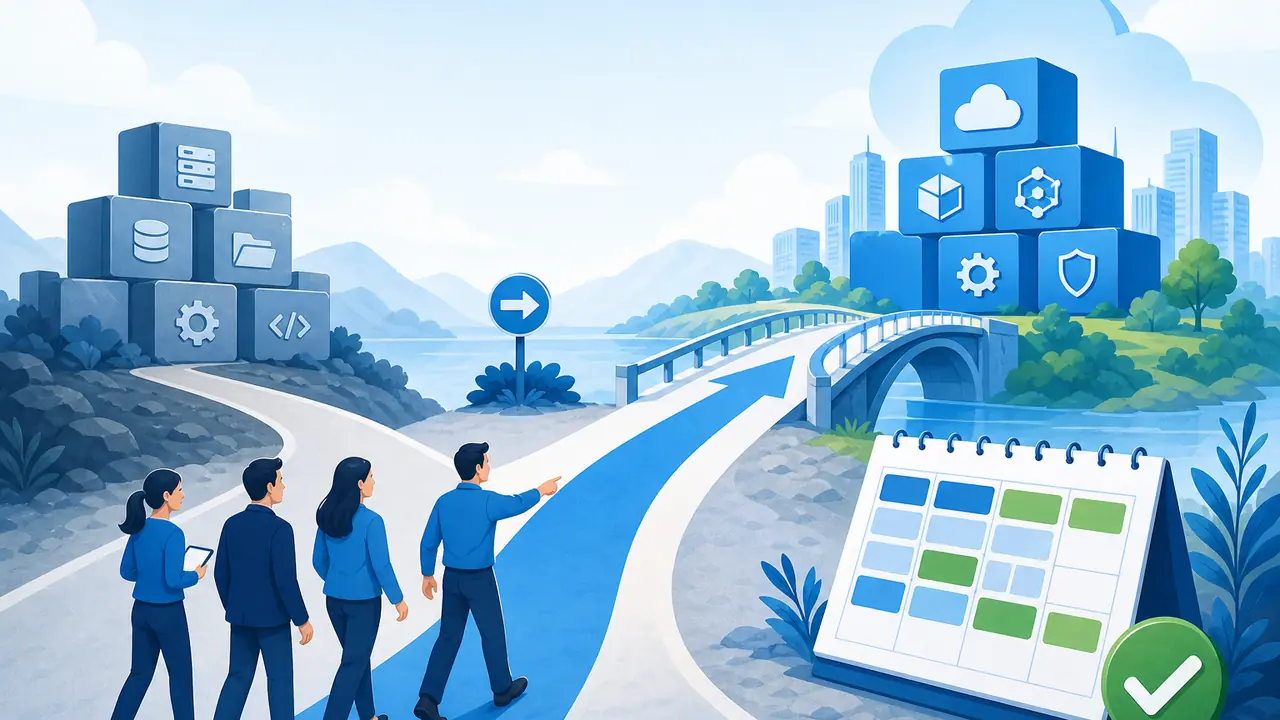
When technology is at its golden moment, we will determine to change. For example, we keep monitoring the development of React Native for a long time to make a decision to turn our project into that technology. We have a plan all the time for our mobile teams, especially the native iOS and Android developers to start learning React Native. The same story is for Laravel or Kubernetes.
Our Key Technologies for Software Development
Solving technological challenges for our startup clients as well as enterprise companies is the essence of the HDWEBSOFT approach when it comes to application development services.
Front-end Technologies


Back-end Technologies


Mordern Frameworks




Case Studies

AI-Powered Multi-Tenant Loan Management Platform
HDWEBSOFT developed a multi-tenant web application that helps broker companies configure loan applications, manage supporting documents, use AI-assisted workflows, and analyze portfolio performance.
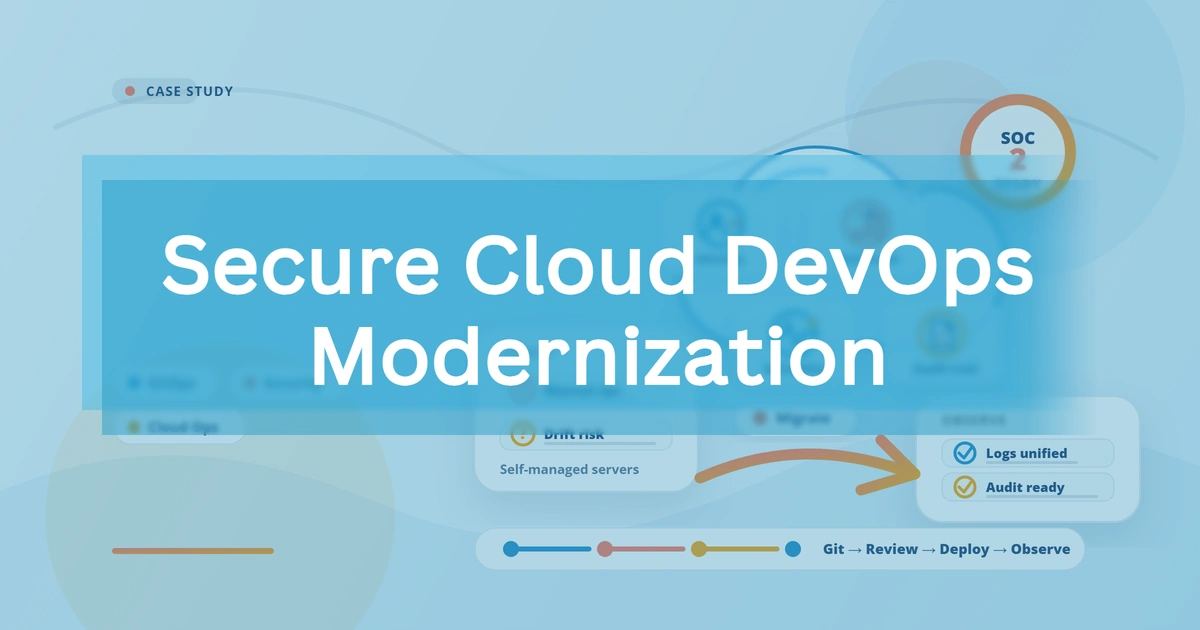
Secure Cloud and DevOps Modernization for Call Center Operations
HDWEBSOFT helped a US-based call center technology company modernize legacy, self-managed infrastructure into a secure hybrid cloud and DevOps platform with governed access, repeatable delivery, and centralized observability.

Salesforce and Call-Center Integration - Successful AppExchange Submission
A secure, enterprise-grade call-center integration solution, built with robust Apex and Lightning Web Components (LWC), successfully connected a leading cloud telephony system to Salesforce. This project went through a stringent process of Salesforce AppExchange Security Review, culminating in a stable, verified product submitted to the platform.