An AI readiness assessment evaluates your organization’s preparedness to adopt and implement artificial intelligence technologies effectively. It examines your data infrastructure, technical capabilities, workforce skills, governance frameworks, and strategic alignment to identify gaps and opportunities before AI investment. This comprehensive evaluation helps businesses avoid costly mistakes, prioritize resources, and create a roadmap for successful AI implementation that delivers measurable business value.
Key Takeaways
- AI readiness assessment is a critical first step before any AI investment, helping organizations identify gaps and create actionable implementation roadmaps
- A structured assessment process typically includes preparation, data collection, evaluation, scoring, and reporting phases
- Practical checklists covering technology, data, organizational capability, and strategic alignment provide a framework for evaluation
- Scoring frameworks and benchmarking against similar organizations help contextualize your readiness level
- The assessment should directly inform an action plan with prioritized initiatives, resource allocation, and realistic timelines
- Common challenges like data quality issues and skill gaps can be proactively addressed through targeted remediation plans
Understanding AI Readiness Assessment for Business
What is AI Readiness Assessment?
An AI readiness assessment is a systematic evaluation of your organization’s capacity to successfully adopt and scale artificial intelligence initiatives. Unlike general technology assessments, AI readiness focuses specifically on the unique requirements of AI systems: high-quality data, appropriate infrastructure, specialized skills, robust governance, and clear business alignment. The assessment process typically spans 4-8 weeks depending on organizational size and complexity, involving stakeholders across technology, business, and leadership functions. Organizations that have already implemented AI augmented software development practices often find the assessment process more straightforward, as they have established some foundational capabilities.
The assessment delivers a baseline understanding of where your organization stands relative to AI adoption requirements. It identifies strengths you can leverage and gaps that require attention before or during AI implementation. This baseline is essential for setting realistic expectations, securing executive buy-in, and prioritizing investments that will deliver the highest return. Organizations that conduct thorough readiness assessments before AI projects are significantly more likely to achieve successful outcomes compared to those that skip this critical step.
For a deeper understanding of the foundational components, you can explore our comprehensive AI Readiness Framework, which details the core dimensions that underpin any effective assessment.
Why Assess AI Readiness Now?
The urgency for AI readiness assessment has never been greater. Organizations across industries are facing competitive pressure to adopt AI technologies, yet many rush into implementations without adequate preparation. This leads to failed projects, wasted resources, and missed opportunities. The current landscape shows that while AI adoption is accelerating, success rates vary dramatically based on preparation and foundational capabilities. According to McKinsey’s research on AI adoption, organizations that approach AI systematically are significantly more likely to achieve successful outcomes.
Assessing readiness now allows you to take a proactive rather than reactive approach to AI adoption. You can address foundational issues—data quality, infrastructure gaps, skill shortages—before they become critical blockers. This proactive stance typically reduces implementation timelines and costs while increasing the likelihood of achieving desired business outcomes. Furthermore, a readiness assessment provides the evidence and insights needed to secure executive sponsorship and budget for AI initiatives, demonstrating that your organization is approaching AI strategically rather than opportunistically.
The AI Readiness Assessment Process
Step 1: Preparation and Scoping
The preparation phase establishes the foundation for a successful assessment. Begin by defining the scope and objectives clearly. Are you assessing readiness for a specific AI use case, a particular business unit, or the entire organization? The scope determines the stakeholders involved, the depth of analysis required, and the timeline for completion. For enterprise-wide assessments, expect 6-8 weeks; for focused assessments on specific initiatives, 2-4 weeks may be sufficient.
Identify and engage key stakeholders early. This includes technology leaders, data owners, business unit heads, HR representatives, and executive sponsors. Each stakeholder group provides unique perspectives essential for a comprehensive evaluation. Create a cross-functional assessment team with clear roles and responsibilities. This team will coordinate data collection, conduct interviews, facilitate workshops, and synthesize findings.
During preparation, also select or customize your assessment framework. While many organizations use established frameworks, customization to align with your industry, size, and strategic objectives ensures relevance. Define the evaluation criteria, scoring methodology, and benchmarking approach. Document these decisions to ensure consistency and transparency throughout the assessment process.
Step 2: Data Collection and Analysis
Data collection gathers the evidence needed to evaluate readiness across all dimensions. This phase combines quantitative analysis with qualitative insights to build a comprehensive picture. Start with document review—examine existing data governance policies, technology architecture documentation, strategic plans, talent inventories, and project portfolios. This provides baseline information about current capabilities and practices.
Conduct stakeholder interviews to capture perspectives that documentation may miss. Interview technology leaders about infrastructure and technical debt. Speak with data owners about data quality, accessibility, and governance challenges. Engage business leaders about strategic priorities, pain points, and expectations for AI. HR discussions should focus on current skills, recruitment challenges, and training capabilities. These interviews typically reveal alignment gaps, cultural factors, and practical constraints that significantly impact readiness.
Facilitate workshops for cross-functional collaboration and alignment. Workshops are particularly valuable for identifying interdependencies between dimensions—for example, how data governance practices impact model development, or how skill gaps affect project timelines. They also help build consensus on priorities and foster the cross-functional collaboration essential for AI success.
Supplement these primary data sources with surveys for broader stakeholder input. Surveys can reach a larger audience efficiently, capturing perceptions and experiences across the organization. Use surveys to gauge awareness of AI initiatives, comfort levels with technology, and perceived barriers to adoption.
Step 3: Evaluation and Scoring
Evaluation transforms collected data into readiness insights across each dimension. Use your defined framework to assess performance against established criteria. For each dimension—technology infrastructure, data readiness, organizational capability, strategic alignment—evaluate both current state and required state for your AI objectives. This gap analysis identifies where your organization stands relative to requirements.
Apply scoring consistently to enable comparison across dimensions and benchmarking against other organizations. Scoring methodologies vary but typically use a 1-5 or 1-10 scale, with clear definitions for each score level. For example, a score of 1 might indicate no capability exists, while 5 indicates mature, optimized capabilities. Document the rationale for scores to support findings and recommendations.
Look for patterns and interdependencies in the evaluation results. Are dimensions with low scores correlated—for instance, do poor data governance practices correlate with data quality issues? Are there unexpected strengths that could accelerate AI adoption? These patterns inform prioritization and help identify leverage points where targeted investments can yield disproportionate improvements.
Validate preliminary findings with stakeholders before finalizing the assessment. This validation ensures accuracy, builds buy-in for recommendations, and may surface additional context or considerations. Stakeholder validation sessions also serve as an early step in change management, preparing the organization for the action planning phase.
Step 4: Reporting and Recommendations
The final phase delivers actionable insights that guide AI strategy and investment decisions. Structure the assessment report to speak to different audiences—executive summaries for leadership, detailed findings for technical teams, specific recommendations for business units. The report should clearly articulate current readiness, gaps, priorities, and recommended actions.
Prioritize recommendations based on impact, effort, urgency, and dependencies. High-impact, low-effort items provide quick wins that build momentum. Critical gaps that block multiple initiatives should be addressed early. Recommendations should be specific, actionable, and owned by identified individuals or teams. Avoid generic recommendations; instead, provide clear guidance on what needs to happen, who should lead it, and what success looks like.
Include a roadmap that sequences recommendations over time. The roadmap should balance foundational improvements with value-creating AI initiatives. For example, early phases might focus on data governance and infrastructure, while later phases introduce pilot projects and scaling successful use cases. The roadmap should be realistic about organizational capacity for change, acknowledging that transformation takes time.
Define metrics to track progress on readiness improvements. These metrics might include data quality scores, infrastructure capabilities, skill coverage, or governance maturity. Regular measurement demonstrates progress, maintains momentum, and enables course correction as needed.
Practical Assessment Checklist
Technology Infrastructure
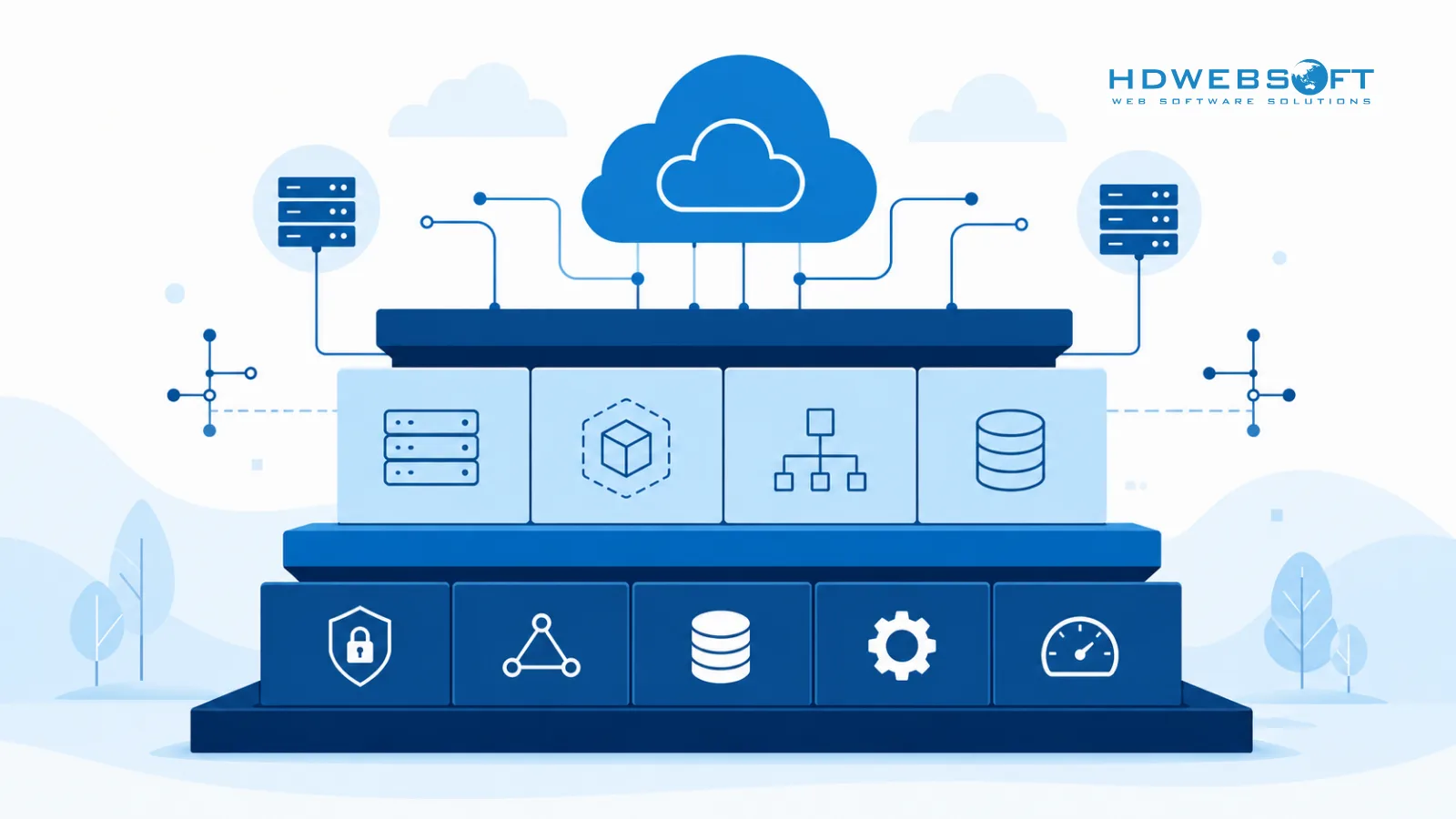
Compute Resources
- Do you have sufficient computational resources (CPU, GPU, cloud capacity) for AI workloads?
- Is your infrastructure scalable to handle growing AI demands?
- Can you efficiently provision and de-provision resources as needed?
Data Storage and Processing
- Do you have data storage solutions that support AI requirements (volume, variety, velocity)?
- Can your data processing pipelines handle the scale and complexity required for AI?
- Is there adequate integration between data storage, processing, and AI development environments?
MLOps and Deployment Infrastructure
- Do you have capabilities for model training, validation, and deployment?
- Can you monitor model performance in production and retrain as needed?
- Is there infrastructure for A/B testing and gradual rollout of AI systems?
Security and Compliance
- Does your infrastructure meet security requirements for AI workloads?
- Can you demonstrate compliance with relevant regulations (GDPR, industry-specific requirements)?
- Are there controls for data privacy, model security, and access management?
Cloud vs. On-Premises Strategy
- Have you defined your strategy for cloud vs. on-premises AI infrastructure?
- Is your strategy aligned with business requirements, cost considerations, and compliance needs?
- Do you have the expertise to manage your chosen infrastructure model?
Data Readiness
Data Availability and Access
- Do you have access to the data required for your intended AI use cases?
- Are there silos or barriers that prevent data from being used effectively?
- Can data scientists and analysts access data efficiently for exploration and modeling?
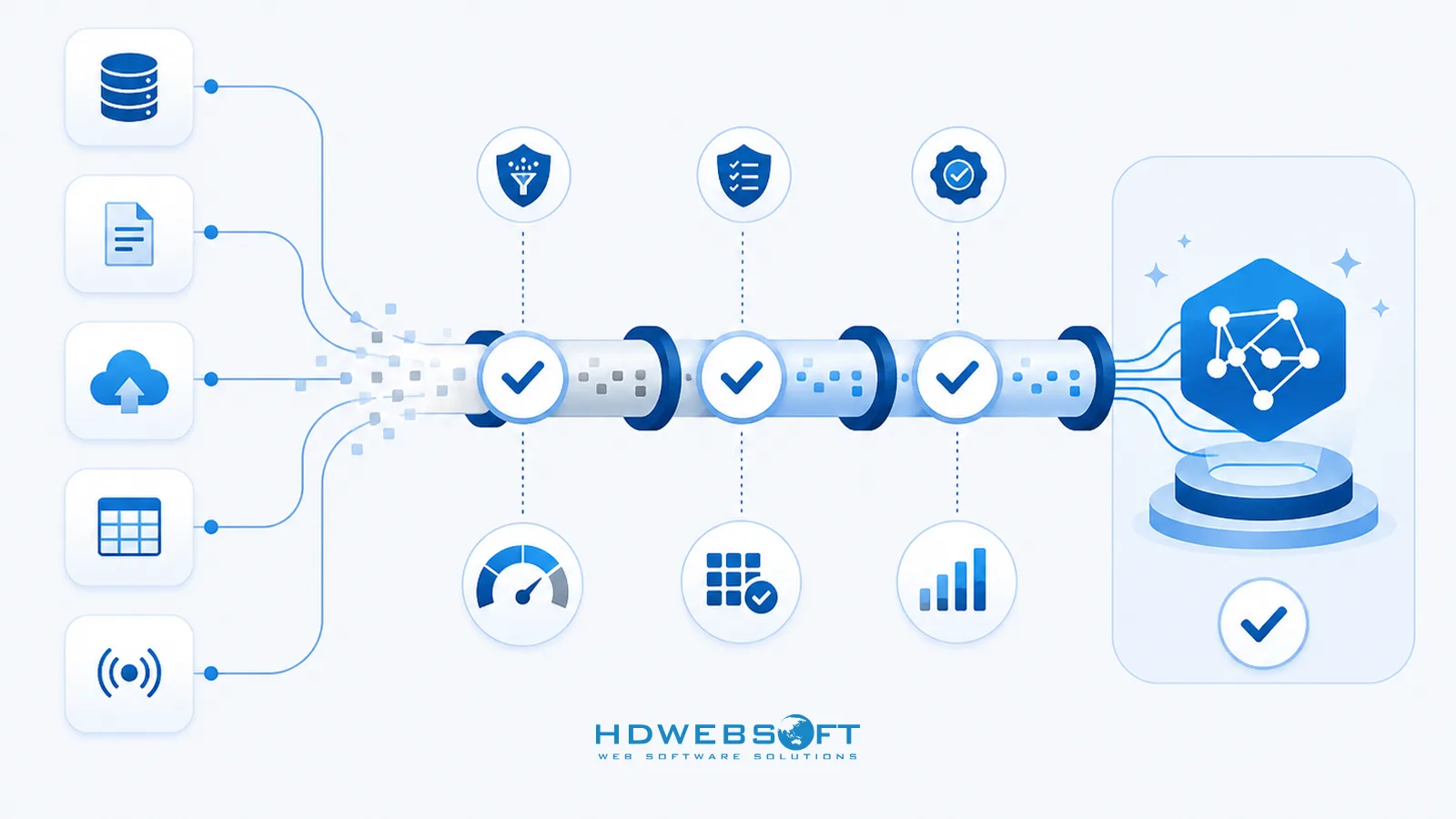
Data Quality
- Is your data accurate, complete, and consistent?
- Have you quantified data quality issues and their potential impact on AI initiatives?
- Are there processes for ongoing data quality monitoring and improvement? Data quality is foundational not just for AI readiness but for all data analytics initiatives.
Data Governance
- Do you have clear data ownership, stewardship, and governance policies?
- Are there documented standards for data definition, quality, and usage?
- Is there accountability for data-related decisions and issues?
Data Integration and Preparation
- Can you integrate data from multiple sources effectively?
- Do you have capabilities for data cleaning, transformation, and feature engineering?
- Are there standardized processes for data preparation that reduce manual effort?
Metadata and Documentation
- Is your data well-documented with metadata, lineage, and usage guidelines?
- Can users easily understand what data exists, what it means, and how to use it?
- Is there a data catalog or similar capability to support data discovery?
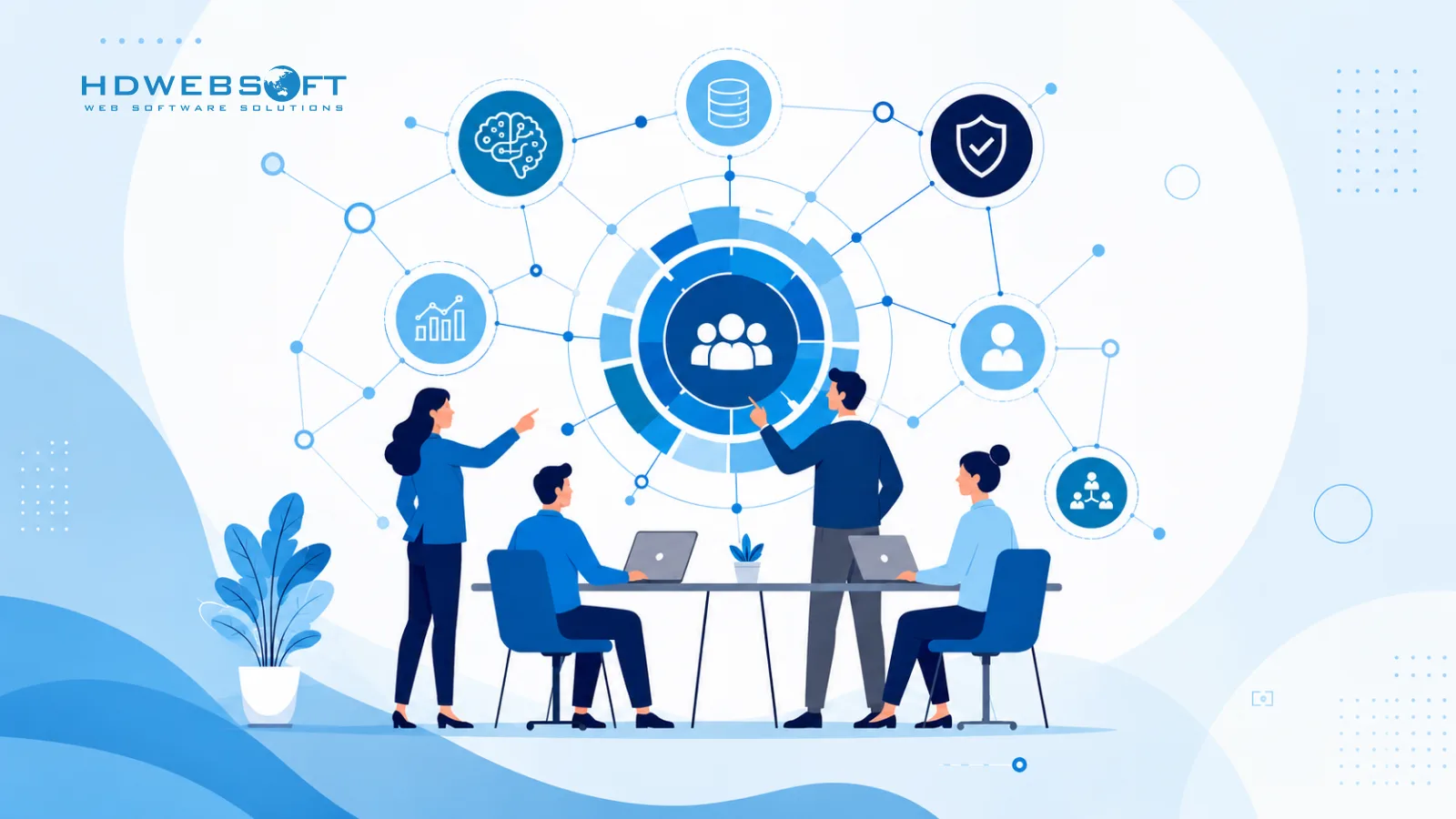
Organizational Capability
AI Skills and Expertise
- Do you have staff with AI-relevant skills (data science, machine learning, MLOps)?
- Are there plans to build, buy, or partner to address skill gaps?
- Is there a strategy for ongoing skill development as AI technologies evolve? Understanding what is an AI platform can help organizations make informed decisions about building vs buying AI capabilities. Partnering with experienced AI development services can accelerate your AI initiatives while building internal capabilities.
Leadership and Sponsorship
- Do you have executive sponsorship for AI initiatives?
- Are leaders educated about AI capabilities, limitations, and requirements?
- Is there clarity on decision-making authority for AI investments and priorities?
Change Management and Culture
- Is the organization culturally receptive to AI adoption?
- Are there change management capabilities to support AI-driven transformation?
- Is there a track record of successful technology adoption that can be leveraged?
Cross-Functional Collaboration
- Do technology, business, and domain experts collaborate effectively?
- Are there mechanisms for breaking down silos and enabling cross-functional work?
- Is there a shared understanding of AI objectives and success criteria?
Project Management and Delivery
- Does the organization have mature project management capabilities to deliver AI projects?
- Are there agile or iterative approaches that suit AI’s experimental nature?
- Can the organization manage uncertainty and adapt based on learning?
Strategic Alignment
Business Objectives and Use Cases
- Are AI initiatives clearly linked to business objectives and value creation?
- Have you prioritized use cases based on business impact and feasibility?
- Is there a clear understanding of how AI will create measurable value?
ROI and Value Measurement
- Have you defined how you will measure ROI for AI investments? Understanding the ROI of AI in software development can help set realistic expectations.
- Are there mechanisms to track business impact and demonstrate value?
- Is there a realistic understanding of timelines to value realization?
Risk Management
- Have you identified and assessed risks associated with AI adoption?
- Are there mitigation plans for technical, ethical, and operational risks?
- Is there governance for AI-related risk decisions and monitoring?
Competitive Positioning
- Do you understand how competitors are leveraging AI?
- Is there a clear strategy for how AI will differentiate your organization?
- Are there opportunities for AI to create competitive advantage?
Investment and Funding
- Is there clarity on funding sources and levels for AI initiatives?
- Is there a sustainable funding model for ongoing AI capabilities?
- Are investment decisions aligned with strategic priorities and readiness?
Evaluation Tools and Scoring Frameworks
Self-Assessment Tools
Self-assessment tools provide a cost-effective starting point for organizations beginning their AI readiness journey. These tools typically take the form of questionnaires or scorecards that guide stakeholders through a structured evaluation of readiness dimensions. Many technology vendors and consulting firms offer free self-assessment templates that can be customized to your specific context.
The advantage of self-assessment tools is accessibility and speed. They can be completed in days rather than weeks, providing immediate insights into obvious gaps and strengths. However, self-assessments have limitations—they rely on internal perspectives that may have blind spots, and they may lack the benchmarking data that provides context for scores. Use self-assessments as a first step or for periodic check-ins, but complement them with more rigorous evaluation for major AI initiatives.
When selecting or designing a self-assessment tool, ensure it covers all relevant dimensions for your context. Avoid tools that focus narrowly on technology without addressing organizational factors, or vice versa. The tool should provide clear guidance for scoring and interpretation, with actionable output rather than just a numerical score.
Third-Party Assessment Services
Third-party assessment services bring external expertise, benchmarking data, and objective perspective to the evaluation process. Consulting firms, technology vendors, and specialized AI assessment providers offer services ranging from light-touch reviews to comprehensive, multi-week engagements. These services can be particularly valuable for organizations with limited internal AI expertise or those preparing for significant AI investments.
Third-party assessments typically combine interviews, document review, technical analysis, and benchmarking against industry standards. The external perspective can identify issues that internal teams may miss due to familiarity or organizational blind spots. Benchmarking data helps contextualize your readiness relative to peers, providing a realistic view of where you stand in your industry.
When engaging third-party services, clearly define scope, deliverables, and timeline. Ensure the assessment team has relevant industry experience and understands your specific context. Request that the assessment not only identify gaps but also provide actionable recommendations with implementation guidance. The output should be a practical roadmap, not just a diagnostic report.
Scoring Methodologies
Scoring methodologies translate qualitative assessment data into quantitative readiness scores. Effective scoring provides clarity, enables comparison, and supports benchmarking. However, scoring must be applied thoughtfully to avoid oversimplification of complex readiness landscapes.
Common scoring approaches include:
Dimensional Scoring: Score each dimension (technology, data, organization, strategy) independently, then aggregate for an overall score. This approach highlights specific areas of strength and weakness but may obscure interdependencies.
Weighted Scoring: Assign weights to dimensions based on their importance to your specific AI objectives. For example, if your focus is on customer-facing AI, data readiness and customer experience capabilities might receive higher weight than infrastructure.
Milestone-Based Scoring: Define readiness milestones (e.g., “can run proof-of-concept,” “can deploy to production,” “can scale across enterprise”) and score progress against these milestones. This approach directly links readiness to implementation capability.
Capability Maturity Scoring: Use maturity models (similar to CMMI) to assess progression from initial to optimized capabilities. This approach provides a roadmap for improvement but may be more complex to implement.
Regardless of methodology, document the rationale for scores and ensure consistency in application. Avoid scoring for the sake of scoring—every score should inform a decision or recommendation. Consider using ranges rather than precise scores to acknowledge the inherent uncertainty in readiness assessment.
Benchmarking by Organization Type
Small and Medium Businesses
Small and medium businesses (SMBs) face unique AI readiness challenges and opportunities. Limited resources—budget, expertise, and infrastructure—constrain AI adoption, but SMBs also benefit from agility and the ability to implement targeted solutions without the complexity of enterprise environments. For SMBs, readiness assessments should focus on identifying high-impact, low-complexity AI opportunities that align with resource constraints. Many SMBs find success starting with AI and machine learning trends that align with their business needs.
SMB readiness assessments often prioritize practical considerations over comprehensive coverage. Key focus areas include:
Cloud-First Infrastructure: SMBs typically lack on-premises infrastructure scale, making cloud-based AI services essential. Assess readiness to leverage cloud AI platforms, including cost management, security capabilities, and integration with existing systems.
Data Simplicity: SMBs often have less complex data landscapes, which can accelerate AI adoption. Assess whether data is sufficiently accessible and clean for targeted use cases, rather than requiring enterprise-scale data governance.
Skill Strategies: With limited ability to hire specialized AI talent, SMBs must assess readiness to use low-code/no-code AI tools, partner with vendors, or leverage managed services. The assessment should evaluate the feasibility of these approaches.
Vendor Dependency: SMBs will likely rely heavily on vendors for AI capabilities. Assess vendor selection capabilities, contract management, and integration expertise.
Quick Wins: SMB assessments should identify opportunities for rapid value demonstration to build momentum and justify further investment.
SMB readiness assessments can typically be completed in 2-4 weeks with a focused team. The output should prioritize practical, achievable steps rather than comprehensive transformation roadmaps.
Enterprise Organizations
Enterprise organizations face complexity at scale—multiple business units, legacy systems, global operations, and regulatory requirements. AI readiness in this context requires coordination across boundaries, management of technical debt, and navigation of organizational politics. Enterprise assessments must balance comprehensive coverage with actionable focus.
Key considerations for enterprise readiness assessment include:
Portfolio Approach: Enterprises rarely implement AI as a single initiative. Assess readiness across a portfolio of use cases at different stages of maturity. The assessment should support prioritization and sequencing across this portfolio.
Legacy Integration: Enterprises typically have significant legacy systems and data environments. Assess the feasibility and cost of integrating AI capabilities with these systems, identifying where modernization is required.
Global and Regulatory Considerations: Multi-national enterprises must assess readiness to navigate varying regulatory environments, data residency requirements, and cultural differences in AI acceptance.
Center of Excellence vs. Decentralized: Assess the organizational model for AI—centralized CoE, decentralized embedded teams, or hybrid. Each model has different readiness requirements and implications.
Scale and Governance: Enterprise AI requires robust governance to manage risk at scale. Assess readiness for AI governance, including model governance, ethics oversight, and accountability frameworks.
Change Management at Scale: The complexity of change management increases dramatically in enterprise contexts. Assess readiness for the communication, training, and support required to drive adoption across large organizations.
Enterprise assessments typically require 6-8 weeks and significant cross-functional involvement. The output should provide both enterprise-wide recommendations and business-unit-specific guidance.
Industry-Specific Considerations
AI readiness varies significantly by industry due to differences in data availability, regulatory environment, competitive dynamics, and customer expectations. While the core dimensions of readiness apply universally, assessment criteria and priorities should be calibrated to industry context.
Healthcare: Assess readiness for regulatory compliance (HIPAA, FDA requirements for medical AI), data privacy, clinical validation, and integration with clinical workflows. Data quality and interoperability are particularly critical.
Financial Services: Focus on regulatory compliance, model risk management, explainability requirements, and fraud detection capabilities. Legacy system integration is often a significant challenge.
Manufacturing: Assess operational technology (OT) integration, sensor data availability, and readiness for predictive maintenance and quality optimization. Change management for frontline workers is critical.
Retail: Evaluate customer data integration, personalization capabilities, and readiness for supply chain optimization. Speed to value is often a priority in competitive retail environments.
Public Sector: Focus on ethical considerations, transparency, public trust, and procurement processes. Budget constraints and political considerations significantly impact AI adoption.
Industry-specific assessments should incorporate benchmarking against industry peers and standards. Engage industry experts to ensure the assessment captures unique requirements and best practices.
From Assessment to Action Plan
Prioritizing Initiatives
The transition from assessment to action requires clear prioritization of initiatives based on multiple factors. Not all gaps are equally important, and addressing them in the wrong sequence can waste resources and delay value creation. Effective prioritization balances quick wins that build momentum with foundational improvements that enable long-term success.
Use a prioritization framework that considers:
Impact: How significantly will addressing this gap improve AI readiness or enable valuable use cases? High-impact items might include resolving critical data quality issues or building essential MLOps capabilities.
Effort: How much resources (time, budget, expertise) are required to address this gap? Low-effort, high-impact items are ideal starting points.
Urgency: Is this gap blocking current initiatives or creating immediate risk? Items that are blocking high-priority projects should be addressed urgently.
Dependencies: Does this gap enable or depend on other improvements? Address foundational dependencies early, even if they don’t directly create value.
Risk: What is the risk of not addressing this gap? Items with high regulatory, security, or operational risk may require priority regardless of other factors.
Create a prioritized matrix that visualizes these factors and facilitates decision-making. Engage stakeholders in prioritization discussions to ensure alignment and build buy-in. Document the rationale for prioritization decisions to support communication and future adjustments.
Resource Allocation
Prioritized initiatives require clear resource allocation to move from planning to execution. Resource allocation should address people, budget, technology, and time. Be realistic about organizational capacity—overloading resources leads to burnout and failed initiatives.
People: Assign clear ownership for each initiative, identifying who is responsible, accountable, consulted, and informed (RACI). Ensure assigned individuals have the capacity and expertise to deliver. Consider whether initiatives require internal staff, external consultants, or a hybrid approach.
Budget: Define the budget required for each initiative, including technology costs, external services, training, and ongoing operational expenses. Ensure budget alignment with fiscal cycles and approval processes. Consider phased funding that releases resources based on milestones.
Technology: Identify technology requirements, including software, infrastructure, and tools. Assess whether to build, buy, or subscribe to needed capabilities. Plan for procurement cycles and integration requirements.
Time: Establish realistic timelines for each initiative, considering dependencies, resource availability, and organizational capacity. Build in buffer for unexpected challenges. Sequence initiatives to manage capacity and enable learning.
Resource allocation should be dynamic—plan for regular review and adjustment based on progress and changing priorities. Communicate resource decisions clearly to manage expectations and maintain alignment.
Timeline Development
The action plan timeline sequences initiatives over time to create a roadmap from current readiness to desired future state. Effective timelines balance urgency with practicality, acknowledging that building AI readiness is a journey rather than a destination.
Structure the timeline in phases:
Phase 1: Foundation (0-3 months): Address critical gaps that block progress. This might include resolving urgent data quality issues, establishing basic governance, or securing essential infrastructure. Focus on items that enable subsequent initiatives.
Phase 2: Capability Building (3-9 months): Develop core capabilities that support AI initiatives. This includes building data pipelines, implementing MLOps foundations, developing skills through training or hiring, and establishing governance processes.
Phase 3: Pilot Implementation (6-12 months): Launch targeted AI pilots to test capabilities, demonstrate value, and build organizational learning. Select pilots that balance business impact with feasibility, using them to refine processes and build confidence.
Phase 4: Scaling (12+ months): Expand successful pilots across the organization, industrialize processes, and build advanced capabilities. This phase requires robust operations, change management, and ongoing governance.
The timeline should include milestones to track progress and trigger decision points. Build in regular review cycles to assess progress, learn from experience, and adjust the plan as needed. Communicate the timeline broadly to manage expectations and maintain alignment.
Common Challenges and Solutions
Data Quality Issues
Data quality is the most common challenge identified in AI readiness assessments. Organizations frequently discover that their data is incomplete, inaccurate, inconsistent, or inaccessible—issues that directly undermine AI initiatives. Data quality problems are particularly insidious because they may not be apparent until AI models fail to perform as expected.
Common Data Quality Issues:
- Missing or incomplete data fields
- Inconsistent formatting and definitions across systems
- Duplicate or conflicting records
- Outdated or stale data
- Poor documentation and metadata
Solutions:
- Establish data quality standards and metrics
- Implement data profiling to identify quality issues systematically
- Create data cleansing and standardization processes
- Assign data ownership and accountability for quality
- Invest in data quality tools that automate monitoring and remediation
- Build data quality into data pipelines with validation checks
Addressing data quality is not a one-time project but an ongoing discipline. Organizations that mature their data quality capabilities see compounding benefits across all AI initiatives.
Skill Gaps
AI requires specialized skills that are in high demand and short supply. Most organizations discover significant skill gaps during readiness assessments, particularly in data science, machine learning engineering, and MLOps. The challenge is not only hiring but also retaining talent and building sustainable skill development strategies. Understanding how to use AI in coding can help bridge some of these gaps by enabling existing developers to become more productive with AI tools.
Common Skill Gaps:
- Data science and machine learning expertise
- MLOps and infrastructure engineering
- Data engineering and pipeline development
- AI product management and translation
- Ethics and governance capabilities
The NIST AI Risk Management Framework (AI RMF) provides a useful reference for evaluating governance, accountability, and risk management capabilities as part of an AI readiness assessment. Organizations can use the framework to identify gaps and establish processes that support responsible AI adoption.
Solutions:
- Build a skills matrix identifying current capabilities and gaps
- Develop a multi-pronged strategy combining hiring, training, and partnerships
- Invest in internal training programs to upskill existing staff
- Partner with universities and training providers for talent pipelines
- Consider managed services for specialized capabilities
- Create career paths and compensation structures to retain AI talent
- Leverage low-code/no-code tools to reduce technical skill requirements
The optimal skill strategy varies by organization size, industry, and AI ambitions. Small organizations may rely more on partners and tools, while enterprises may build substantial internal teams.
Change Management
AI adoption often requires significant behavioral and process change, yet change management is frequently overlooked in readiness assessments. Resistance to AI can stem from fear of job displacement, lack of understanding, or discomfort with new ways of working. Effective change management is essential for adoption and value realization.
Common Change Management Challenges:
- Fear and anxiety about AI impact on jobs
- Lack of understanding of AI capabilities and limitations
- Resistance to new processes and tools
- Insufficient training and support
- Poor communication about AI objectives and benefits
Solutions:
- Develop a comprehensive change management strategy early in the AI journey
- Communicate transparently about AI initiatives, their objectives, and their impact
- Involve employees in AI design and implementation to build ownership
- Provide extensive training and hands-on support for new tools and processes
- Identify and empower change champions across the organization
- Celebrate early wins and share success stories broadly
- Address concerns directly and honestly, acknowledging uncertainties
Change management should begin during the readiness assessment phase, using the assessment process itself to build awareness and engagement. The assessment findings can help tailor change management approaches to specific organizational contexts and concerns.
Best Practices for Effective Assessment
Executive Sponsorship
Executive sponsorship is perhaps the most critical success factor for AI readiness assessments. Without visible, active support from senior leaders, assessments struggle to secure stakeholder participation, access required information, and drive follow-through on recommendations. Executive sponsors provide legitimacy, resources, and authority that enable the assessment to deliver meaningful results.
Characteristics of Effective Executive Sponsors:
- Seniority sufficient to break down organizational barriers
- Understanding of AI’s strategic importance
- Willingness to allocate time to champion the assessment
- Authority to secure resources and drive implementation
- Credibility across the organization
Best Practices:
- Identify and engage the executive sponsor before assessment launch
- Clarify the sponsor’s role and expectations explicitly
- Provide regular updates to maintain sponsor engagement
- Leverage the sponsor to communicate assessment importance broadly
- Involve the sponsor in key decisions and review points
- Ask the sponsor to help remove barriers as they arise
The executive sponsor should be visible throughout the assessment process—from kickoff through recommendations to action planning. Their ongoing engagement signals organizational priority and helps maintain momentum.
Cross-Functional Collaboration
AI readiness is inherently cross-functional, spanning technology, data, business, HR, legal, and risk functions. Assessments that are led by a single function typically miss critical perspectives and produce incomplete findings. Effective collaboration across functions ensures comprehensive evaluation and builds the cross-functional relationships essential for AI success.
Best Practices for Cross-Functional Collaboration:
- Form a cross-functional assessment team with representatives from key functions
- Use workshops and collaborative sessions to build shared understanding
- Create clear roles and responsibilities to avoid duplication and gaps
- Establish regular communication cadence across the team
- Document decisions and rationale to maintain alignment
- Leverage diverse perspectives to identify blind spots and opportunities
- Build relationships that will support future AI initiatives
Cross-functional collaboration during the assessment lays the groundwork for ongoing collaboration in AI implementation. The relationships and shared understanding developed during assessment become assets for execution.
Continuous Monitoring
AI readiness is not static—technologies evolve, organizational capabilities change, and business needs shift. A one-time assessment provides a snapshot, but continuous monitoring ensures that readiness evolves in alignment with needs. Organizations that establish ongoing readiness monitoring can adapt more quickly to changes and maintain alignment with AI objectives.
Best Practices for Continuous Monitoring:
- Define readiness metrics that can be tracked over time
- Establish regular cadence for readiness reviews (quarterly or semi-annually)
- Create dashboards that provide visibility into readiness trends
- Integrate readiness assessment into planning and budgeting cycles
- Update assessment criteria as technologies and best practices evolve
- Use monitoring to identify emerging gaps before they become critical
- Share readiness trends broadly to maintain organizational awareness
Continuous monitoring doesn’t require the same depth as a comprehensive assessment. Focused reviews of key metrics and targeted deep-dives into specific dimensions can provide ongoing insight with less overhead. The goal is trend awareness and early detection of issues, not comprehensive re-evaluation.
Conclusion
An AI readiness assessment is the foundation for successful AI adoption. By systematically evaluating your organization’s capabilities across technology, data, organizational factors, and strategic alignment, you create a roadmap for AI initiatives that deliver real business value. The assessment process itself—engaging stakeholders, building shared understanding, identifying gaps—begins the cultural and organizational shift required for AI success.
The organizations that succeed with AI are not necessarily those with the most advanced technology or the largest budgets. They are the organizations that approach AI strategically, invest in foundational capabilities before chasing shiny tools, and maintain realistic expectations about what AI can deliver and what it requires. An AI readiness assessment enables exactly this strategic, grounded approach.
Whether you’re just beginning your AI journey or scaling existing initiatives, a readiness assessment provides the insights needed to move forward with confidence. The investment in assessment pays dividends in avoided missteps, accelerated implementation, and higher likelihood of achieving desired outcomes. In the rapidly evolving AI landscape, readiness assessment is not optional—it’s essential for organizations that want to harness AI’s potential rather than be left behind. Organizations that have already implemented AI testing frameworks often find that readiness assessments help them identify areas where their quality assurance processes can be enhanced for AI systems.
HDWEBSOFT has helped numerous organizations navigate their AI readiness journey, providing the expertise and frameworks needed to assess capabilities, identify gaps, and create actionable roadmaps. Our experience across industries and organization sizes ensures that assessments are tailored to your specific context and objectives.
FAQ
What is the difference between AI readiness assessment and AI maturity assessment?
AI readiness assessment evaluates your current capabilities against the requirements for successful AI adoption, focusing on gaps and improvement needs. AI maturity assessment evaluates how advanced your capabilities are relative to a maturity model, typically positioning you on a scale from initial to optimized. Readiness assessment is forward-looking and gap-oriented, while maturity assessment is descriptive and benchmarking-oriented. Both are valuable, but readiness assessment is typically the starting point for organizations beginning their AI journey.
How long does an AI readiness assessment take?
The duration varies based on scope and organizational size. Focused assessments for specific initiatives can be completed in 2-4 weeks. Enterprise-wide comprehensive assessments typically require 6-8 weeks. Factors that influence timeline include the number of stakeholders, geographic dispersion, data accessibility, and the depth of analysis required. Planning for adequate time is important—rushed assessments often miss critical issues or fail to build the stakeholder buy-in needed for action.
Who should be involved in an AI readiness assessment?
Effective assessments require cross-functional participation. Key stakeholders include technology leaders (CIO, CTO), data leaders (CDO, data architects), business unit leaders, HR representatives, legal and compliance officers, risk management, and executive sponsors. The specific participants depend on your organizational structure and the scope of the assessment. Broad engagement ensures comprehensive perspectives and builds the cross-functional alignment needed for AI success.
What are the common outputs of an AI readiness assessment?
Typical outputs include a comprehensive assessment report, readiness scores across dimensions, gap analysis, prioritized recommendations, an action plan with timeline and resource requirements, and metrics for tracking progress. The format should be tailored to different audiences—executive summaries for leadership, detailed findings for technical teams, and specific roadmaps for business units. The most valuable output is not just diagnostic findings but actionable guidance that drives implementation.
How often should we conduct AI readiness assessments?
Conduct comprehensive assessments when beginning major AI initiatives or when significant organizational changes occur (mergers, restructurings, strategic shifts). For ongoing monitoring, conduct focused readiness reviews quarterly or semi-annually to track progress on improvement initiatives and identify emerging gaps. The cadence should balance the value of fresh insights with the overhead of assessment. Organizations rapidly scaling AI may need more frequent assessment than those in early exploration phases.
Can we conduct an AI readiness assessment internally, or do we need external help?
Organizations can conduct assessments internally using self-assessment tools and frameworks, particularly for initial evaluations or periodic check-ins. However, external expertise brings valuable benchmarking data, objective perspective, and specialized knowledge that internal teams may lack. For organizations preparing for significant AI investments or with limited internal AI experience, third-party assessment services often provide valuable insights and credibility. Many organizations use a hybrid approach—internal assessment supplemented by external validation for critical dimensions.