Global ecommerce continues to grow its share of retail worldwide. As an experienced ecommerce software development company, we track the trends that shape how businesses sell online and how customers buy. This year, the shifts are driven less by novelty and more by measurable performance gains — AI personalization lifting revenue, headless architecture improving conversion, and live shopping converting at multiples of standard rates.
Key Takeaways
- Mobile commerce dominates: The majority of global ecommerce sales now come from mobile devices, yet mobile still converts at well below desktop rates — a significant recoverable revenue gap.
- AI is now infrastructure: AI-referred traffic converts meaningfully better than other sources, AI recommendations drive a substantial share of revenue, and most large retailers are piloting or deploying generative AI.
- Headless commerce is scaling: The decoupled architecture market is growing steadily, with headless sites achieving higher conversion rates and better Core Web Vitals than monolithic platforms.
- Social commerce keeps expanding: Platforms like TikTok Shop are driving new GMV records, and live shopping converts at several times the rate of standard product pages.
- AR/VR reduces returns: Virtual try-on lifts conversion and meaningfully cuts return rates, yet most stores still do not offer it — an early-mover opportunity.
- Subscription commerce keeps growing: Subscription models generate higher customer lifetime value than traditional one-time purchase models.
Contextual Commerce
Today’s ecommerce trends increasingly focus on making shopping a natural part of everyday digital experiences. Rather than waiting for customers to visit a storefront, brands embed purchase options into environments where people already spend time — social media, streaming platforms, and virtual events.

What makes this approach effective is its flexibility. There is no one-size-fits-all strategy. Following the latest ecommerce trends, businesses can tailor their efforts to meet their audience at the right moment — whether that means opening new sales channels or rethinking how and when to present offers. The key is to anticipate needs and make buying feel effortless.
A Practical Example
Instead of relying on traditional ads, a fitness brand could partner with a workout app. Through this partnership, they recommend and sell gear tailored to the user’s workout type right as they exercise. This is not just about pushing a product — it is about providing value in the moment, making shopping a seamless part of the experience.
Embracing this model requires creativity more than capital. Retailers need to shift their thinking from “How do we sell?” to “Where and when do customers want to buy?”
Mobile Commerce
The evolution of ecommerce continues to be shaped by the dominance of mobile devices. What began as a convenience in the early 2000s has become an expectation. Consumers want seamless, fast, and intuitive shopping experiences no matter where they are.
Mobile commerce now accounts for the majority of global ecommerce sales, generating an estimated $2.82 trillion in 2026 according to Mordor Intelligence. Mobile devices drive most retail website traffic — but still convert at well below desktop rates. That gap between traffic dominance and conversion underperformance represents a significant and annually recoverable revenue pool, making mobile optimization one of the highest-ROI investments for ecommerce teams.
For a deeper look at mobile-specific strategy, see our ecommerce app development trends analysis, which covers PWA vs native, AR integration, and partner selection.
Voice-Assisted Shopping
Voice-assisted shopping is emerging as the next frontier in mobile convenience. With AI-powered assistants and smart speakers, users search for and purchase products without touching their screens.
As ecommerce trends shift toward seamless, user-friendly experiences, voice technology gains traction. Whether at home using devices like Alexa or on the move with voice-integrated shopping apps, buyers embrace hands-free options. The steady rise of contactless payments across mature markets signals clear demand for frictionless checkout and voice-enabled shopping solutions.
Subscription-Based Commerce
Subscription commerce has become a staple in the modern ecommerce landscape, evolving far beyond its original purpose of simplifying repeat purchases. The global subscription ecommerce market is large and growing steadily, with subscription models generating meaningfully higher customer lifetime value than traditional one-time purchase models.

Three core subscription models serve different customer behaviors:
- Replenishment subscriptions are ideal for routine essentials like groceries, pet food, or cleaning supplies. They also extend to services such as housekeeping or pet care, providing convenience and reliability.
- Curation-based subscriptions focus on discovery. Customers receive personalized sample boxes, allowing them to explore new products without upfront commitment. This model works particularly well in niche lifestyle markets — organic skincare for eco-conscious consumers, or monthly bundles of low-sugar snacks for fitness enthusiasts.
- Access subscriptions offer exclusive perks to members: early product launches, members-only content, event invitations, or expert insights such as guided workouts or beauty tutorials. These experiences build community and loyalty, transforming one-time buyers into long-term brand advocates.
Related reading: Why AI in Retail is a Breakthrough for Businesses.
Ethical and Sustainable Commerce
One of the most meaningful ecommerce trends is the growing focus on ethics and sustainability. With Millennials often dubbed “Generation Green,” modern consumers are more mindful about what they buy, how it is made, who makes it, and why the brand exists. Shoppers actively seek businesses aligned with their values, placing weight on environmental practices, fair labor, and social responsibility.
Ethical commerce is more than a tactic to win conscious buyers — it reflects a deeper shift in how brands operate. From sourcing sustainable materials to promoting inclusivity, companies reshape their identities around integrity and impact.
Eco-Conscious Ecommerce in Action
Proof Eyewear built a transparent, eco-friendly model using only sustainable materials and investing in global charity work. ASOS took a major step in supporting body diversity by showcasing the same outfit on various body types.
Whether through planet-first production or championing social causes, ethical ecommerce is about making business better for everyone — and consumers are voting with their wallets.
Content-Driven Ecommerce
In a saturated digital marketplace, authentic and engaging content is no longer optional — it is essential. Well-crafted content builds trust, educates customers, and plays a key role in guiding purchase decisions.
Video Content Takes the Lead

Product pages with videos can increase conversion rates by up to 80% compared with pages without video, giving shoppers greater confidence when they cannot physically interact with a product. From how-to guides to storytelling clips, brands get creative with formats that bring their offerings to life. Many of these advancements are driven by AI technology for content personalization — the leading technology that enables retailers to deliver the right video content to the right audience at the perfect moment.
User-Generated Content Builds Trust
User-generated content (UGC) is the digital form of word-of-mouth marketing. Retailers amplify credibility by encouraging real customers to share reviews, unboxings, and tagged social media posts, benefiting from genuine voices that build trust and authenticity.
UGC not only strengthens community but also influences buying decisions with far more authenticity than traditional advertising. This shift aligns with ongoing developments in advertising technology that help brands integrate customer content into their marketing strategies.
Technology-Driven Commerce
In the past, retailers relied on a single piece of ecommerce software to manage everything from product catalogs to payment processing. With customer expectations rising and competition intensifying, that one-size-fits-all approach is no longer sustainable.
Digital transformation is now at the core of ecommerce evolution, pushing businesses to adopt systems like CMS, CRM, and ERP alongside advanced tools for personalization and predictive analytics. For businesses evaluating their platform architecture, our ecommerce development solutions comparison covers traditional vs modern vs headless approaches with cost and scalability analysis.
Digital transformation can seem daunting and costly, which is why many businesses turn to agile road-mapping. By identifying and prioritizing areas with the highest potential impact, companies roll out changes incrementally — allowing for faster results, smarter resource allocation, and the flexibility to pivot as new insights emerge.
Headless Commerce
Among the trends shaping the industry, headless commerce stands out as one that primarily benefits retailers behind the scenes. While customers simply expect a smooth shopping experience, businesses invest in technology to make it happen. Headless architecture gives them the flexibility and control to deliver that experience on their own terms.
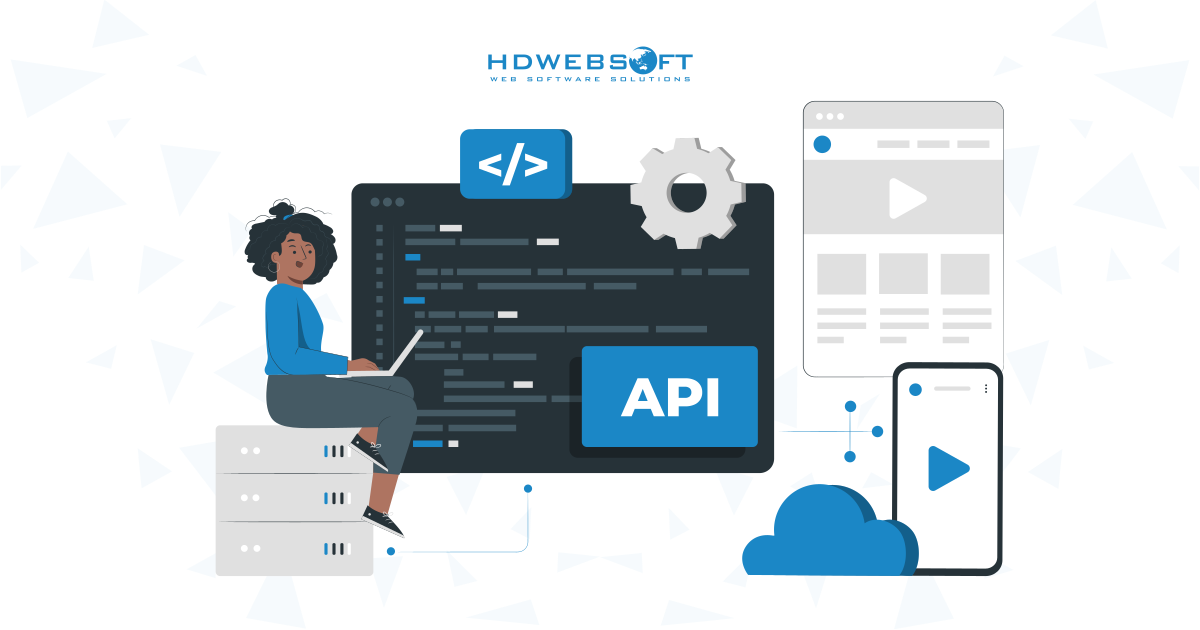
Unlike traditional ecommerce platforms, headless commerce separates the frontend (what users see) from the backend (where business logic lives), connecting the two via APIs. This decoupled setup allows developers to build tailored user interfaces without being limited by backend constraints. For retailers, that means faster rollout of new features, lower development costs, and greater agility in adapting to customer expectations.
The headless commerce platform market is growing at a strong double-digit CAGR, with headless sites achieving higher conversion rates and better Core Web Vitals scores on average compared to monolithic platforms. Businesses seeking highly customized and dynamic digital storefronts increasingly opt for headless solutions to stay competitive and future-ready.
Further reading: An Overview of Software Development Models.
AI-Powered Personalization
Artificial intelligence and machine learning have transformed ecommerce from transactional to truly personalized experiences. AI-referred traffic converts meaningfully better than other sources, and AI product recommendations now drive a substantial share of ecommerce revenue. Today’s leading retailers leverage AI development services to analyze customer behavior, predict preferences, and deliver customized experiences at scale.
Predictive Recommendations
AI algorithms power sophisticated recommendation engines that go beyond simple “customers who bought this also bought that” suggestions. Modern systems analyze:
- Browsing patterns and product dwell time
- Purchase history and frequency
- Demographic data and seasonal preferences
- Real-time context like location and device
This enables retailers to deliver hyper-personalized product recommendations, dynamic pricing, and customized content that significantly boost conversion rates and average order values. Personalization leaders report meaningful revenue gains, and shoppers who click AI recommendations are far more likely to purchase than those who do not.
AI-Driven Customer Service
Beyond recommendations, AI enables intelligent chatbots and virtual shopping assistants that provide 24/7 customer support. AI now handles a substantial share of customer interactions for ecommerce brands, and AI-engaged shoppers tend to convert at several times the rate of those who do not engage. These systems handle complex queries, process returns, and offer style advice, reducing support costs while improving customer satisfaction.
Social Commerce
Social commerce has evolved from simple social media integration to sophisticated shopping experiences embedded directly within social platforms. The global social commerce market is large and growing at a healthy clip, with US social commerce reaching new milestones and TikTok Shop driving significant GMV.
Native Shopping Experiences
Social platforms now offer comprehensive shopping capabilities:
- Shoppable posts and stories with direct product links
- Product tags that display details and pricing instantly
- Shop tabs that function as mini-stores within social platforms
Influencer-Driven Commerce
Social commerce has elevated influencer marketing from brand awareness to direct sales conversions. Influencers now host live shopping events with real-time product demonstrations, create shoppable content with affiliate links and discount codes, and drive purchases through authentic product reviews. A majority of US social buyers now shop on TikTok, making creator-led commerce one of the fastest-growing segments.
Live Shopping and Streaming Commerce
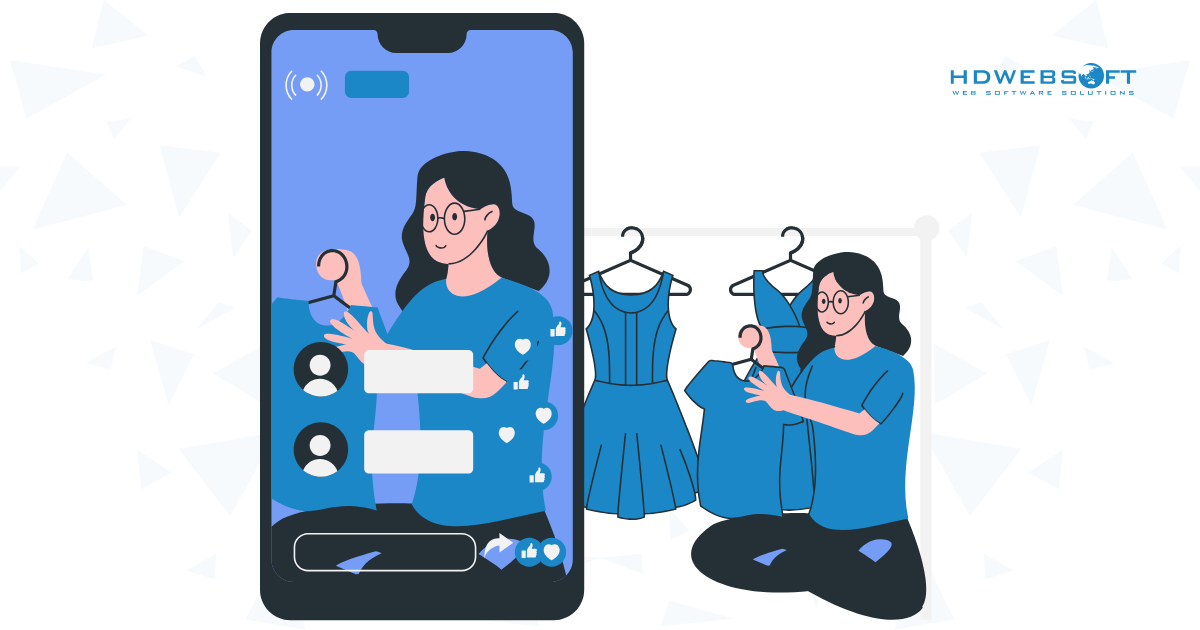
Live commerce has emerged as a powerful trend combining entertainment with real-time shopping. The global live commerce market is large and expanding steadily. Live shopping events convert at 9.5% to 15.2% — roughly six to ten times higher than standard ecommerce conversion rates.
Interactive Shopping Experiences
Live shopping events create urgency through:
- Exclusive limited-time deals
- Real-time product demonstrations
- Interactive Q&A with hosts
- Flash sales and countdown timers
This format drives higher engagement and conversion rates compared to traditional product pages, making it particularly effective for fashion, beauty, and lifestyle products. Asia-Pacific leads global live commerce revenue, but adoption is accelerating in Western markets.
AR/VR Shopping Experiences
Augmented reality and virtual reality technologies bridge the gap between online and in-store shopping by solving one of ecommerce’s biggest challenges: the lack of physical product interaction. The virtual try-on market is growing rapidly, with adoption concentrated among Gen Z and Millennial shoppers.
Virtual Try-Ons and Visualization
AR technology allows customers to virtually try on makeup, accessories, and clothing; visualize furniture in their own space; and see how products fit in their environment. The impact is measurable: sessions that include a try-on are far more likely to end with add-to-cart than those without. Virtual try-on meaningfully increases conversion rates and reduces return rates across categories, with the biggest impact in fit-heavy categories like apparel, footwear, and furniture.
Immersive Brand Experiences
VR takes brand storytelling to new levels by creating virtual showrooms and flagship stores, immersive product demonstrations, interactive brand experiences, and memorable shopping journeys. Tens of millions of consumers already use AR shopping features, and a large majority say they would shop more often if AR try-on were available — yet only a small fraction of ecommerce stores currently offer it, creating a significant early-mover advantage.
How to Choose an Ecommerce Development Partner
Evaluating the right development partner for your ecommerce initiatives requires a structured approach. For a comprehensive framework, see our guide to choosing an ecommerce website development company, which covers platform expertise, integration capabilities, post-launch support, and vendor evaluation criteria.
Key factors to evaluate:
- Platform and architecture rationale: A partner should explain why a specific platform fits your requirements — not just default to what they sell.
- Delivery track record: Look for comparable complexity in past projects, not just total project count.
- Integration and migration capability: Ecommerce success depends on how well your platform connects with ERP, PIM, payment, and marketing systems.
- Post-launch support model: Clarify SLA terms, response times, and whether ongoing maintenance is included or billed separately.
Conclusion
The ecommerce trends shaping 2026 share a common thread: they reward businesses that invest in measurable performance over novelty. Mobile commerce, AI personalization, headless architecture, social commerce, live shopping, AR/VR, and subscription models all deliver concrete ROI — higher conversion, lower returns, and stronger customer lifetime value.
There is no need to adopt every trend at once. Begin by evaluating your current position: the customer experience you offer, the technology stack you use, and how well it aligns with your business goals. This assessment helps identify clear gaps and missed opportunities worth addressing first.
As you continue evolving your ecommerce strategy, partner with experienced consultants who understand the shifting landscape. With the right guidance, you can adapt strategically and stay ahead in an industry that never stops moving.
Frequently Asked Questions
What are the biggest ecommerce trends for 2026?
The biggest ecommerce trends for 2026 include mobile commerce, AI-powered personalization, headless commerce, social and live shopping, AR/VR product experiences, and subscription-based models. Together, these trends reflect a broader shift toward more personalized, flexible, and immersive shopping experiences across multiple channels.
How large is the mobile commerce market in 2026?
The global mobile commerce market is estimated at $2.82 trillion in 2026 and is projected to reach $4.16 trillion by 2031. For ecommerce businesses, this growth reinforces the importance of mobile-first UX, fast page performance, seamless payments, and frictionless checkout experiences.
Should my business adopt headless commerce?
Headless commerce is worth considering if your business needs faster frontend development, multi-channel delivery, or integrations across websites, mobile apps, social platforms, and other digital touchpoints. The global headless commerce platform market is expected to grow at a 20.69% CAGR from 2026 to 2031, reflecting growing demand for more flexible, API-first commerce architectures. However, headless implementations require greater technical expertise than standard SaaS platforms, so the decision should be based on your scalability, integration, and customization needs.
How does AI improve ecommerce conversion rates?
AI can improve ecommerce conversion by personalizing product discovery, helping shoppers compare products, supporting conversational shopping, and automating customer service. Adobe Digital Insights found that AI-referred traffic converted 42% better than non-AI traffic in March 2026. The strongest results come from applying AI to measurable use cases such as product recommendations, shopping assistance, checkout optimization, and post-purchase support.
Is live shopping effective outside of Asia?
Yes. While live commerce is more established in Asian markets, adoption is growing in the West as retailers experiment with creator-led streams, product demonstrations, and real-time shopping experiences. In the U.S., livestream retail ecommerce sales are forecast to reach $19.8 billion in 2026, up 35% year over year. Live shopping can be particularly effective for categories such as fashion, beauty, collectibles, and lifestyle products where demonstrations and real-time interaction help customers make purchase decisions.