
Proptech and the Future of the Real Estate Industry
Proptech, or property technology, is the use of digital tools, data platforms, AI, IoT, automation, and smart building systems to improve how real estate is bought, sold, managed, operated, and experienced. In the current real estate landscape, proptech is moving beyond online listings and property management apps into AI-assisted operations, digital twins, energy optimization, tenant experience platforms, and data-driven investment decisions.
Proptech is revolutionizing the traditionally conservative real estate industry. This digital transformation reshapes how properties are bought, sold, managed, and marketed. Fueled by technological advancements, real estate technology is streamlining operations and creating new opportunities and challenges.
This blog explores the impact of proptech on the real estate industry, its key areas of influence, types, current trends, and the pros and cons it brings to the table.
Key takeaways:
- Proptech is expanding from property search and management software into AI-assisted operations, smart buildings, digital twins, and integrated data platforms.
- The strongest current use cases focus on operational efficiency, tenant experience, predictive maintenance, energy optimization, and faster real estate transactions.
- The future of real estate technology depends on balancing automation with cybersecurity, privacy, compliance, and human expertise.
What is Proptech?
Proptech, short for property technology, refers to the integration of advanced digital technologies to streamline and enhance the real estate industry. It is the technology that realtors, landlords, investors, and tenants leverage to buy, sell, and manage properties more efficiently. This includes property listing websites, where home buyers and renters can search for and apply to homes, and property management apps. As a result, tenants can submit maintenance requests online, streamlining the management process and improving communication between tenants and landlords.
Real estate technology simplifies traditionally cumbersome processes, reduces operational costs, and elevates buyer and seller user experiences. In addition, it also incorporates smart sensors for energy efficiency and security, making property management more efficient. According to The Business Research Company, the global proptech market is currently valued at more than $47 billion and is forecast to exceed $83 billion later this decade.
Overall, this property technology is a driving force in the digital transformation of real estate.
Current Proptech Trends Shaping Real Estate
The future of proptech is less about isolated apps and more about connected real estate operations. Current real estate technology trends show that owners, operators, developers, and investors are looking for platforms that turn property data into faster decisions and measurable operational outcomes.
| Trend | What it means for real estate | Business impact |
|---|---|---|
| Agentic AI | AI systems that can coordinate multi-step workflows such as maintenance triage, leasing support, vendor assignment, and tenant communication | Faster operations, fewer manual handoffs, better service consistency |
| Digital twins | Real-time virtual models of buildings or portfolios that combine sensors, building data, and analytics | Better scenario planning, predictive maintenance, and energy optimization |
| Smart building IoT | Connected sensors and devices for occupancy, air quality, energy use, access control, and equipment performance | Lower operating costs, improved tenant comfort, stronger ESG reporting |
| Unified data platforms | API-connected systems that bring property management, leasing, finance, maintenance, and tenant data into one operating layer | Clearer decision-making and less fragmented data |
| Cybersecurity and data governance | Stronger controls for tenant data, payment records, building systems, and third-party integrations | Lower breach risk and stronger trust with investors, tenants, and partners |
In practice, these trends are converging into what some industry analysts call a property operating system: a connected layer of AI agents, digital twins, APIs, and analytics that works above legacy real estate systems instead of replacing them all at once.
Key Areas Where Proptech is Making an Impact
As the real estate industry undergoes rapid digital transformation, proptech is emerging as a critical factor driving innovation. Here are the key areas where the technology is making a significant impact:
Property Management
One of the most significant areas where this digital technology is transforming real estate is in property management. While traditional property management systems often rely on manual processes, real estate technology solutions streamline these operations.
For instance, property management platforms now offer automated systems that streamline key tasks. These systems handle everything from tenant screening to lease management and rent collection, making the entire process more efficient.
These platforms also utilize AI-driven predictive maintenance tools, which anticipate repairs before they become critical, thereby minimizing costs and disruptions. Property managers can remotely monitor buildings, schedule maintenance, and communicate with tenants through a single interface, enhancing overall operational efficiency.
Smart Buildings and Energy Management
Proptech is playing a pivotal role in advancing smart buildings and energy management systems. IoT-enabled sensors and smart devices are being installed in buildings to monitor and optimize energy usage. For example, smart thermostats, lighting systems, and HVAC controls adjust in real-time based on occupancy and external weather conditions.
These innovations reduce energy consumption and operating costs while promoting sustainability. According to recent data, energy savings from smart building technologies can reduce operational expenses by up to 26%. With growing concerns over climate change and energy efficiency, real estate technology solutions in smart buildings are essential for both cost reduction and environmental impact.
Real Estate Transactions
The introduction of blockchain and smart contracts in this digital transformation is revolutionizing real estate transactions. Blockchain development services can support secure and transparent ledgers for recording transaction details. Consequently, the technology helps make ownership records, property history, and payment processes more traceable and easier to verify.
Transactions are now secured with proptech innovation, blockchain.
Proptech innovation also reduces reliance on intermediaries, which speeds up the transaction process and lowers associated costs. This technology improves transparency and reduces the risk of fraud. Moreover, blockchain-enabled smart contracts facilitate the automation of key transaction steps, further improving the overall efficiency of property transactions.
Construction and Development
Property innovation is also making waves in the construction and development sector, where it helps optimize planning, reduce costs, and improve project timelines.
The integration of AI, big data, and 3D modeling tools enables real estate developers to simulate construction projects and foresee challenges before they occur. Beyond that, drones and other automated tools help monitor construction progress, ensuring that projects stay on schedule.
Furthermore, real estate tech allows for the use of sustainable construction materials, making the development process more eco-friendly. This improves project outcomes while minimizing environmental impact.
Tenant Experience
In the competitive real estate market, enhancing tenant experience has become a priority for property managers. Proptech solutions, such as tenant engagement platforms and mobile apps, are designed to improve communication between tenants and landlords. These tools enable tenants to submit maintenance requests, make rent payments, and communicate with property management directly from their smartphones.
Virtual tours and augmented reality (AR) technologies also enhance the tenant experience by offering immersive ways to view properties remotely. In addition, smart building technologies that cater to tenant preferences, such as customized climate and lighting controls, elevate overall comfort and convenience.
Types of Proptech
The diverse tools in the real estate tech space cater to every facet of real estate, making the industry more efficient, sustainable, and customer-friendly. Below are some key technology innovation types that are driving change:
Property Listing Platforms
One of the most recognizable forms of proptech is property listing platforms. These digital tools allow buyers, renters, and real estate professionals to search for properties based on criteria such as location, price, and size. For instance, platforms like Zillow, Realtor.com, and Redfin have transformed how people search for homes. They provide users with property details and other insights, making the entire process more accessible, transparent, and user-friendly.
These platforms use algorithms to provide personalized recommendations, alert users to price changes, and offer virtual tours. They eliminate the need for physical visits to real estate agencies, making property searches faster and more convenient. Additionally, many of these platforms now offer analytics that help users understand market trends, price fluctuations, and neighborhood statistics, empowering buyers and investors to make informed decisions.
Check out our case study: A Multi-Purpose Housing and Building Management System.
AI and Machine Learning
Artificial intelligence (AI) and machine learning (ML) are at the forefront of real estate innovation. AI tools analyze vast amounts of real estate data, providing insights into market trends, property values, and investment opportunities. Meanwhile, machine learning algorithms can predict future property prices based on historical data, helping investors make data-driven decisions.
AI is also being used in proptech for management. Smart algorithms can automate maintenance requests, track tenant behavior, and even forecast potential issues before they arise. Moreover, data analytics software development can help property teams turn leasing, maintenance, occupancy, and market data into predictive insights. This proactive approach not only reduces costs but also minimizes downtime.
In addition, AI chatbots and agentic AI tools enhance customer service by answering inquiries, assisting with property searches, and coordinating routine workflows. These technologies save time for real estate agents and property managers, allowing them to focus on higher-value tasks.
Agentic AI and Real Estate Workflow Automation
Agentic AI is an emerging layer of proptech that goes beyond simple recommendations or chatbot responses. Instead of waiting for a user to ask one question at a time, AI agents can coordinate multi-step workflows such as screening tenant inquiries, creating maintenance tickets, assigning vendors, sending tenant updates, and escalating exceptions to a human manager.
For real estate companies, this matters because many operations still depend on fragmented emails, spreadsheets, and manual follow-ups. Agentic AI can reduce repetitive work while keeping human teams in control of approvals, exceptions, and relationship-sensitive decisions.
Digital Twins
Digital twins are virtual models of physical buildings, construction sites, or property portfolios that stay connected to real-world data. When combined with IoT sensors, building management systems, and analytics, they help owners simulate building performance, monitor equipment, test energy-saving scenarios, and predict failures before they disrupt tenants.
This makes digital twins especially useful for smart buildings, large portfolios, and complex development projects where small operational improvements can create significant savings.
Virtual Reality and Augmented Reality
Virtual reality (VR) and augmented reality (AR) are gaining significant traction by offering immersive experiences for property buyers and renters. VR allows users to take virtual tours of properties, providing a 360-degree view of a home or building without needing a physical visit. This technology is especially useful for international buyers or individuals who want to view multiple properties without traveling.
Augmented reality, on the other hand, enhances the physical environment by overlaying digital information on real-world images. For instance, prospective buyers can use AR apps to visualize how furniture would look in a space or see potential renovations before making a purchase. These immersive experiences help customers make more informed decisions while also reducing the time and cost involved in property viewings.
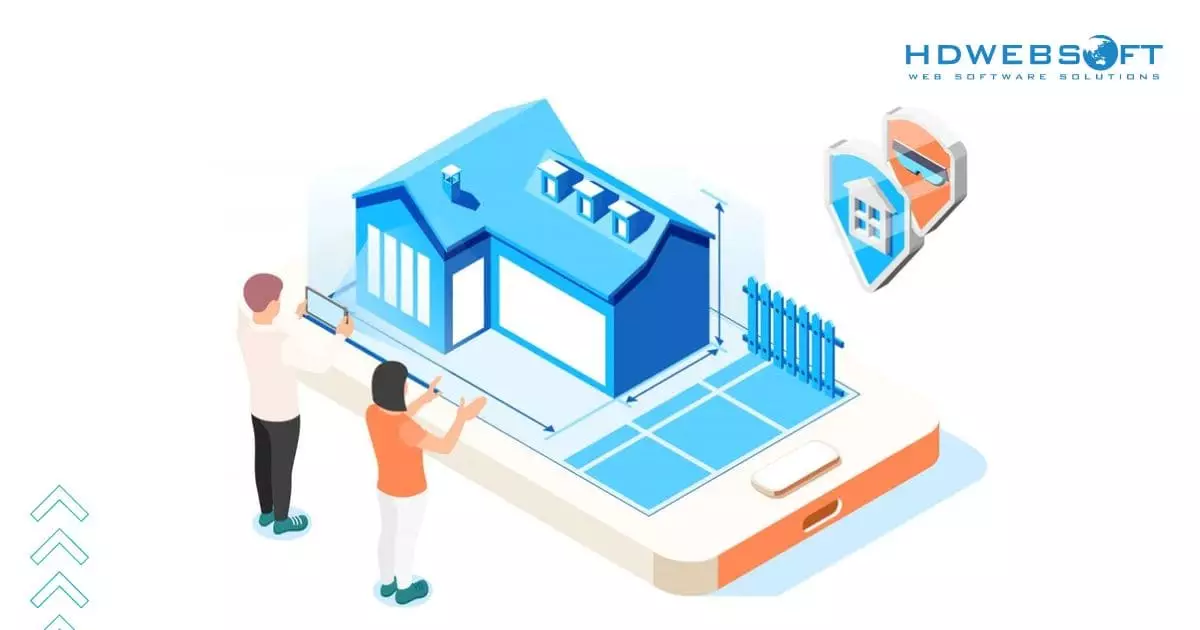
Proptech lets potential customers view multiple properties without getting to the physical locations
Chatbots
In a part of the proptech ecosystem, chatbots are becoming essential. Powered by AI, chatbots interact with users to provide information, answer questions, and assist in property searches. These virtual assistants are integrated into real estate websites and apps, offering 24/7 customer service without the need for human intervention.
Additionally, voice chatbots are gaining traction. They allow users to interact with platforms through voice commands, making the experience even more seamless and accessible.
For example, chatbots can guide users through the property search process, helping them filter listings based on preferences. They can also answer common queries, schedule property viewings, and provide updates on the status of rental or sale applications. By automating routine tasks, chatbots improve efficiency for real estate agents and enhance the customer experience.
Sustainability
As the real estate industry seeks to reduce its environmental footprint, sustainability is a growing focus. Technologies that promote energy efficiency, renewable energy planning, and eco-friendly construction are increasingly being integrated into real estate projects.
For example, smart building systems equipped with sensors can monitor energy usage. These systems optimize heating, lighting, and cooling, which in turn reduces energy consumption and lowers costs. Related renewable energy software can also help property teams plan cleaner energy usage, monitor performance, and align building operations with sustainability goals.
Many proptech solutions also focus on sustainable construction practices, using materials and methods that minimize environmental impact. This includes everything from green building certifications to waste management solutions during construction. Additionally, property managers are using technology to track water and electricity usage, identifying areas for improvement to make buildings more energy-efficient.
Overall, property tech is helping the real estate industry transition to a more eco-conscious future by aligning with global sustainability goals and investor expectations.
Advantages and Disadvantages of Real Estate Technology
The Advantage of Property Technology
The adoption of this digital transformation has revolutionized the real estate industry. Here are some of the key advantages of integrating it into real estate:
Increased Efficiency and Automation
One of the most significant benefits of proptech is its ability to automate various processes, increasing efficiency across the board. Technology has significantly reduced the need for manual intervention in property management.
For instance, automated systems now handle tenant inquiries, maintenance requests, and rent collection tasks. Meanwhile, AI-driven tools assess market trends to aid in decision-making.
Property managers can now monitor and control buildings remotely through integrated platforms, saving time and reducing operational costs. The automation of mundane tasks allows professionals to focus on high-value activities like building client relationships and closing deals.
Enhanced Customer Experience
Property tech significantly enhances the customer experience by providing easy access to essential information. Real estate apps and property listing platforms offer users a wealth of property data, including photos and virtual tours. This helps customers make well-informed decisions without the need for in-person visits.

Real estate technology provides customers with conveniences.
AI-powered chatbots also provide 24/7 customer support, answering queries and assisting users throughout the process. This convenience has significantly improved user satisfaction and made real estate services more accessible.
Data-Driven Decision Making
The integration of big data analytics in proptech has empowered real estate professionals to make data-driven decisions. Advanced algorithms can process vast amounts of data on property prices, market trends, consumer behavior, and more. With these insights, investors and real estate agents can make better decisions based on data.
Predictive analytics tools can assess the future performance of a property based on historical data. This capability helps reduce the risks associated with real estate investments, enabling investors to make more informed decisions.
In short, professionals can optimize their strategies using this data-driven approach, whether it’s pricing a property correctly or identifying high-growth investment opportunities.
Reduced Transaction Costs and Time
Blockchain and digital payment workflows, another key component of real estate digital transformation, have the potential to improve property transactions. Smart contracts can automate and secure agreements, thereby reducing the need for intermediaries such as brokers, lawyers, or escrow services. This not only saves time in the transaction process but also significantly lowers costs associated with each deal.
Furthermore, with blockchain, property ownership can be verified faster, and the fraud risk is minimized due to its tamper-proof nature. Transactions that would typically take weeks can now move toward shorter digital workflows.
Sustainability and Green Building Solutions
Proptech has also made significant strides in promoting sustainability within real estate software development. For instance, smart building technologies monitor energy consumption in real-time and adjust heating, cooling, and lighting systems based on occupancy. As a result, this leads to significant energy savings and lower utility bills.
Additionally, property tech solutions promote the use of sustainable building materials and waste-reduction practices during construction. As a result, the technology is contributing to greener and more eco-friendly real estate developments.
Disadvantages of Real Estate Technology
While property technology brings many advantages to the real estate industry, it is not without its challenges. Below are some of the key disadvantages associated with it:
High Initial Costs
One of the main drawbacks of integrating proptech innovations into real estate operations is the high initial investment required. Implementing advanced technologies such as AI, IoT sensors, or blockchain platforms can be costly, especially for smaller firms with limited budgets.
This financial barrier often makes it difficult for SMEs to adopt these technologies, widening the digital divide between larger, well-funded companies and smaller players in the market.
Additionally, training employees to effectively use these technologies can add to the costs, making it less feasible for some organizations to embrace them fully.
Resistance to Change
Many real estate professionals have relied on traditional methods for years, and transitioning to new technologies may be met with resistance. The introduction of the mentioned tech requires a shift in how real estate transactions are conducted, and properties are managed. For some, this can be a challenging adjustment, as it involves learning new skills and adapting to unfamiliar processes.
In that light, real estate firms that are slow to adopt technology may struggle to stay competitive. However, the fear of change or lack of digital literacy can delay the implementation of proptech solutions.

Many people in the real estate industry find it hard to adapt to proptech due to resistance.
Data Security and Privacy Concerns
With the rise of digital platforms comes the increased risk of data breaches and cyberattacks. Real estate platforms handle large amounts of sensitive information, including financial details, property records, tenant data, access control records, and building sensor data. As these platforms become more interconnected through APIs, IoT devices, payment systems, and AI models, the potential for unauthorized access grows.
Data security is a significant concern for real estate professionals and clients alike. It’s a must for companies to invest in robust cybersecurity measures, vendor risk reviews, access controls, data governance policies, and compliance monitoring. Failing to secure sensitive information can lead to reputational damage and financial loss.
Job Displacement
While automation and AI can increase efficiency, they may also lead to job displacement within the industry. Traditional roles such as property managers, agents, and administrative staff may change as technology automates many repetitive tasks. This shift may result in uncertainty for employees who need support, training, and new operating processes to adapt.
Dependence on Technology
As real estate firms become more reliant on proptech, there is a risk of over-dependence on technology. In the event of a system failure or technical glitch, operations could come to a halt, leading to delays and potential revenue loss.
Furthermore, relying on AI and algorithms for decision-making can sometimes overlook the human element. This oversight may result in impersonal customer experiences or misjudged property valuations. This is because technology cannot fully capture the nuances of human interactions or market sentiment.
Overall, balancing technology with human expertise is crucial to avoid potential pitfalls associated with over-reliance on digital tools.
Conclusion
The rise of property tech signals a significant shift in how the real estate industry operates. As more professionals embrace these tools, proptech will continue reshaping the industry around connected data, automated workflows, smarter buildings, and more responsive tenant experiences. However, the sector must overcome the mentioned hurdles to realize its full potential.
The future of real estate technology is not only about adopting more tools. It is about building secure, integrated, and user-friendly platforms that connect property operations, analytics, sustainability, and customer experience. Companies that need custom platforms for this shift can explore real estate software development services to plan solutions around their operating model.
FAQ
What is proptech in real estate?
Proptech, or property technology, is the use of software, data, AI, IoT, automation, and digital platforms to improve how real estate is bought, sold, leased, managed, operated, and experienced. It includes property listing platforms, property management systems, smart building tools, digital twins, AI assistants, and transaction technologies.
How is AI used in proptech?
AI is used in proptech to analyze property data, predict maintenance needs, support property valuations, automate tenant communication, recommend listings, improve lead-to-lease workflows, and help teams make faster portfolio decisions. Current AI adoption is moving from simple analytics and chatbots toward workflow automation and agentic AI.
What are the most important current proptech trends?
The most important current proptech trends include agentic AI, digital twins, smart building IoT, unified property data platforms, sustainability and energy optimization tools, blockchain-enabled transaction workflows, and stronger cybersecurity and data governance.
Why are digital twins important for real estate?
Digital twins are important because they create real-time virtual models of buildings, construction sites, or property portfolios. Property teams can use them to monitor performance, test operational scenarios, optimize energy consumption, plan maintenance, and understand how buildings respond to changing conditions.
What are the risks of proptech adoption?
The main risks of proptech adoption include high implementation costs, resistance to change, fragmented legacy systems, cybersecurity threats, privacy concerns, over-dependence on automation, and employee reskilling needs. Real estate companies should pair technology adoption with governance, training, vendor review, and clear operating processes.