software development models は、チームが複雑な software 構築プロセスを進めるための重要な指針です。品質、timeline、budget、stakeholder expectations への適合は、選ばれたモデルに大きく左右されます。
現在、50 以上の SDLC models が認識されています。どれも万能ではありませんが、それぞれ特定の project や team に対して独自の strengths と drawbacks を持っています。ここでは、特に人気の高い 8 モデルを取り上げ、その core principles と key features を比較します。
A Look at Popular SDLC Models
一般に、software development models は workflow の構造によって分類 できます。step-by-step の linear 型もあれば、repeating cycles を採る型もあります。また、これらの分類は development team と customer の collaboration level も反映しています。
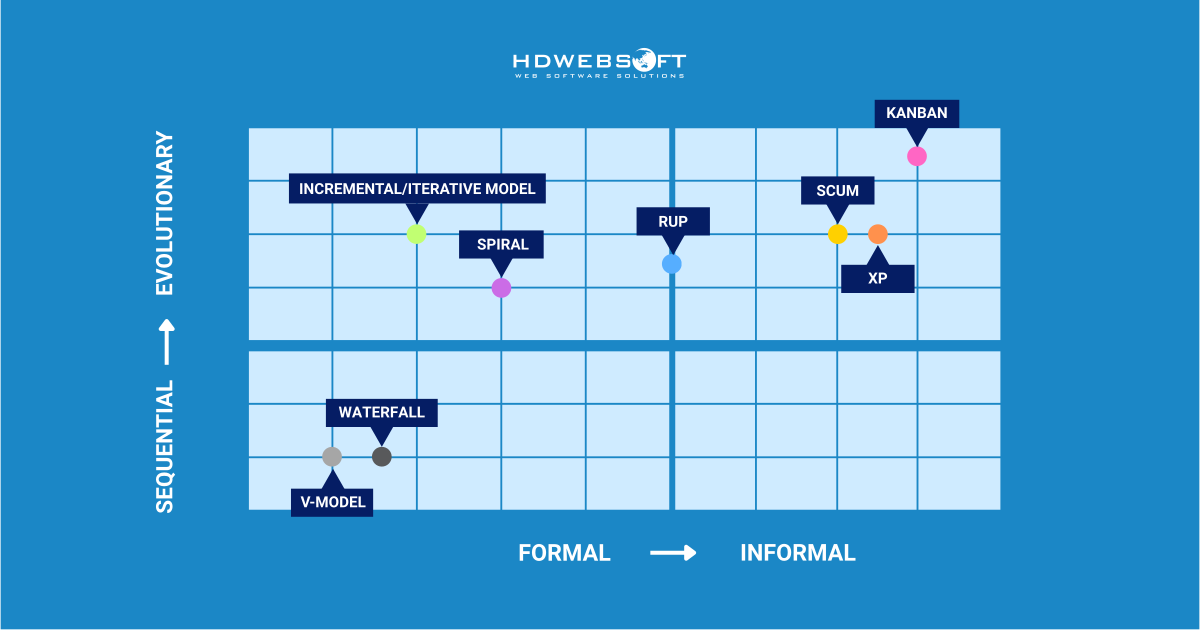
チャート下部のモデルは straightforward な linear structure を取り、管理しやすい一方で change には弱い傾向があります。上に行くほど SDLC models は adaptable になり、project evolution に応じた requirement adjustment を受け入れやすくなります。
横軸では、左側のモデルは minimal customer interaction、右側のモデルは stronger collaboration を重視します。
Overview of Software Development Models and Their Suitable Projects
Waterfall
Waterfall は 最も古く、最も straightforward な software development models のひとつ です。linear path に従い、requirements、design、development、testing、deployment、maintenance と順番に進みます。各 phase は完全に終わってから次に進むため、workflow は structured and easy to follow です。
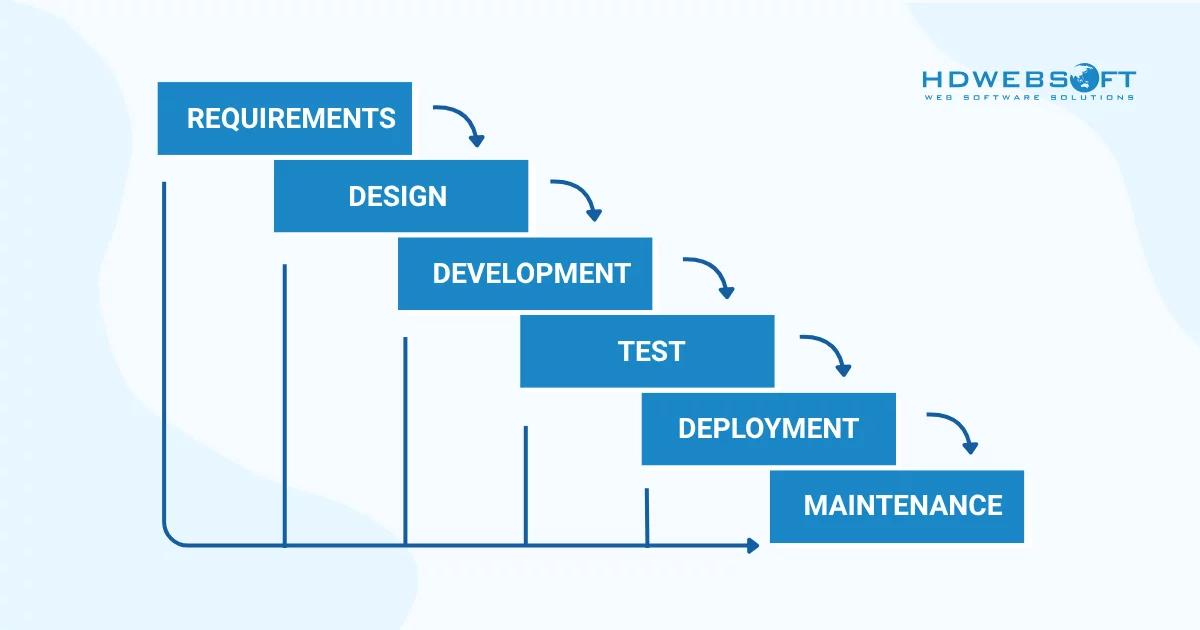
そのため、たとえば requirements は development 開始後に再評価しづらく、software を見たり test したりできるのは final stage まで待つ必要があります。 その結果、risk が高まり、testing が rushed になり、late-stage bug fixes は expensive になりがちです。
Use cases
- fixed requirements と低い scope-change risk を持つ projects
- short-term または low-complexity projects
- government、defense、regulated contracts
- 各 phase ごとに formal approval が必要な systems
Also Worth Mentioning: An Unstructured Approach — The Big Bang Model.
V-Model
V-model は Waterfall を土台にしつつ、verification and validation を全体に組み込んだ software development model です。左側に specification と design、右側に testing phases があり、各 development step に対応する test phase が存在します。これにより defects を early に捉え、後での costly fixes を減らします。
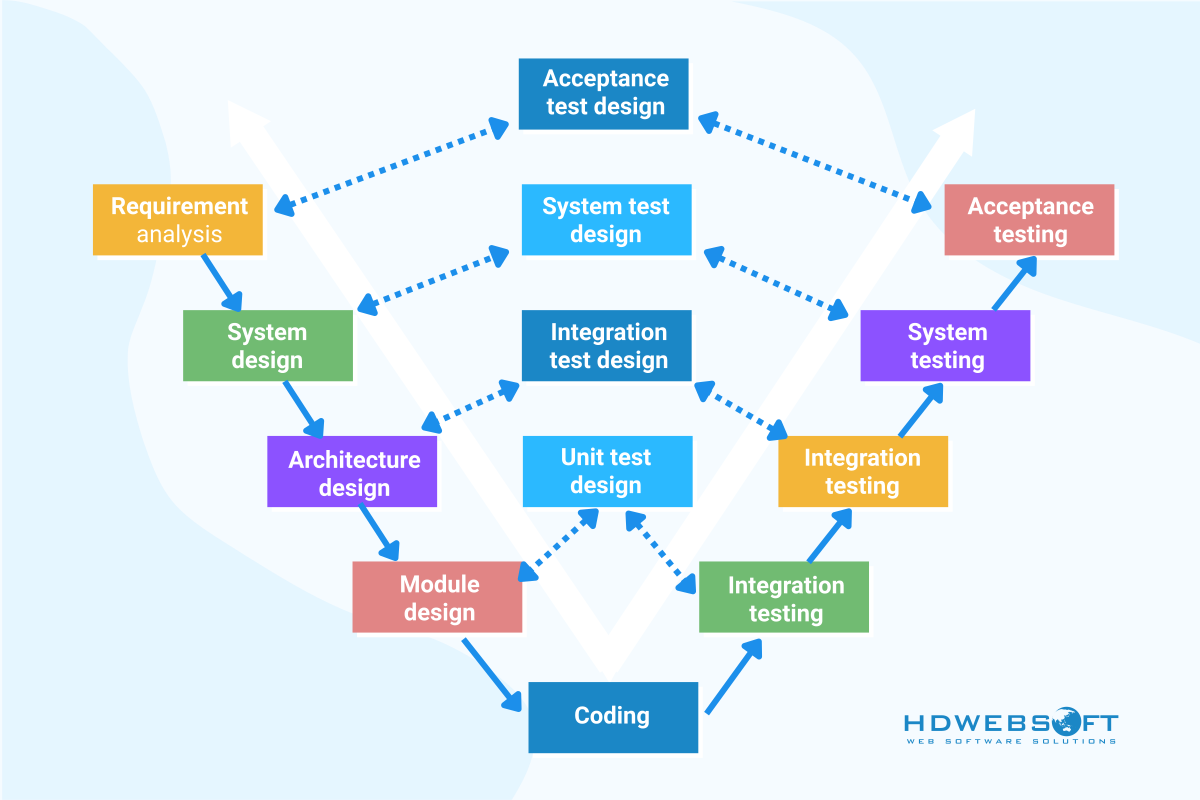
しかし V-model は traditional SDLC models の中でも最も costly で rigid な部類です。初期から strict planning と clear requirements が必要で、途中変更には向きません。
Implementation contexts
- well-defined and stable requirements を持つ projects
- safety-critical systems
- strict regulatory compliance と thorough documentation が必要な software
- early and continuous testing が重要な systems
Incremental and Iterative model
Incremental model
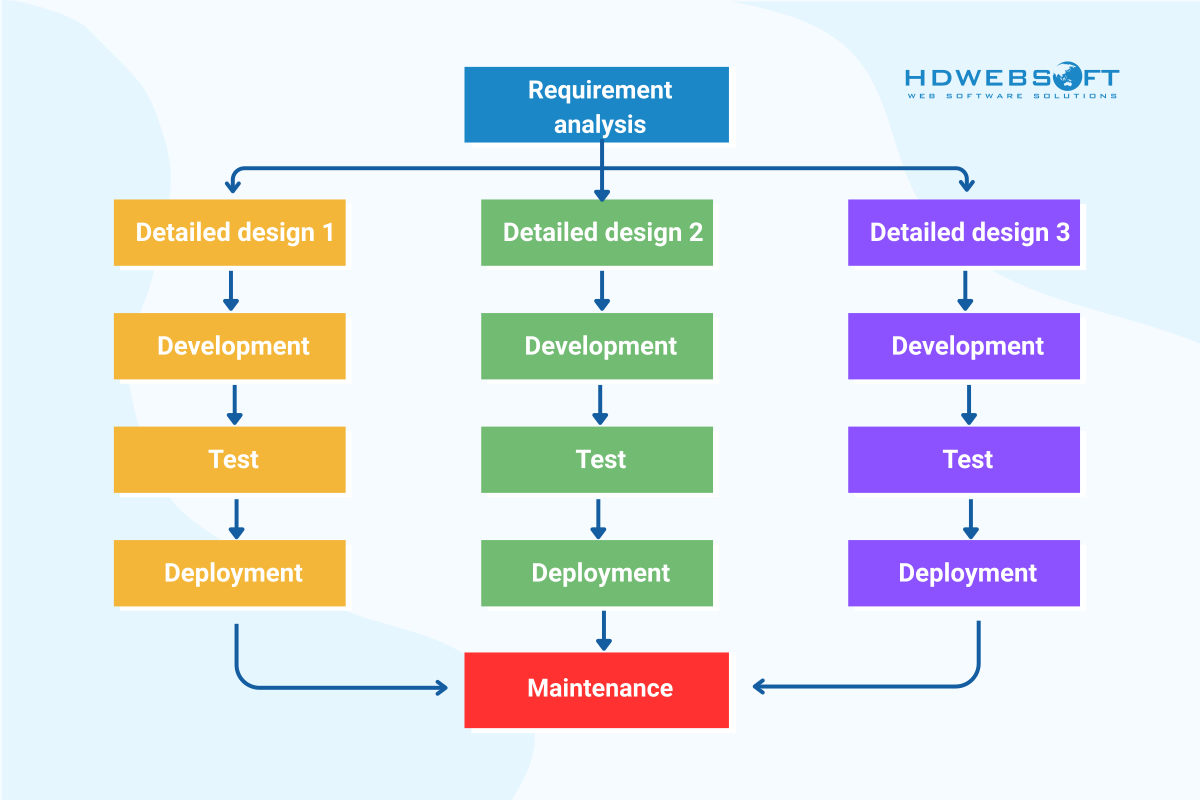
Incremental model は process を複数 iteration に分割 します。modular で “Lego-style” な設計が前提であり、各 iteration で previous modules をほとんど変えずに新しい software modules を追加 していきます。
Iterative model
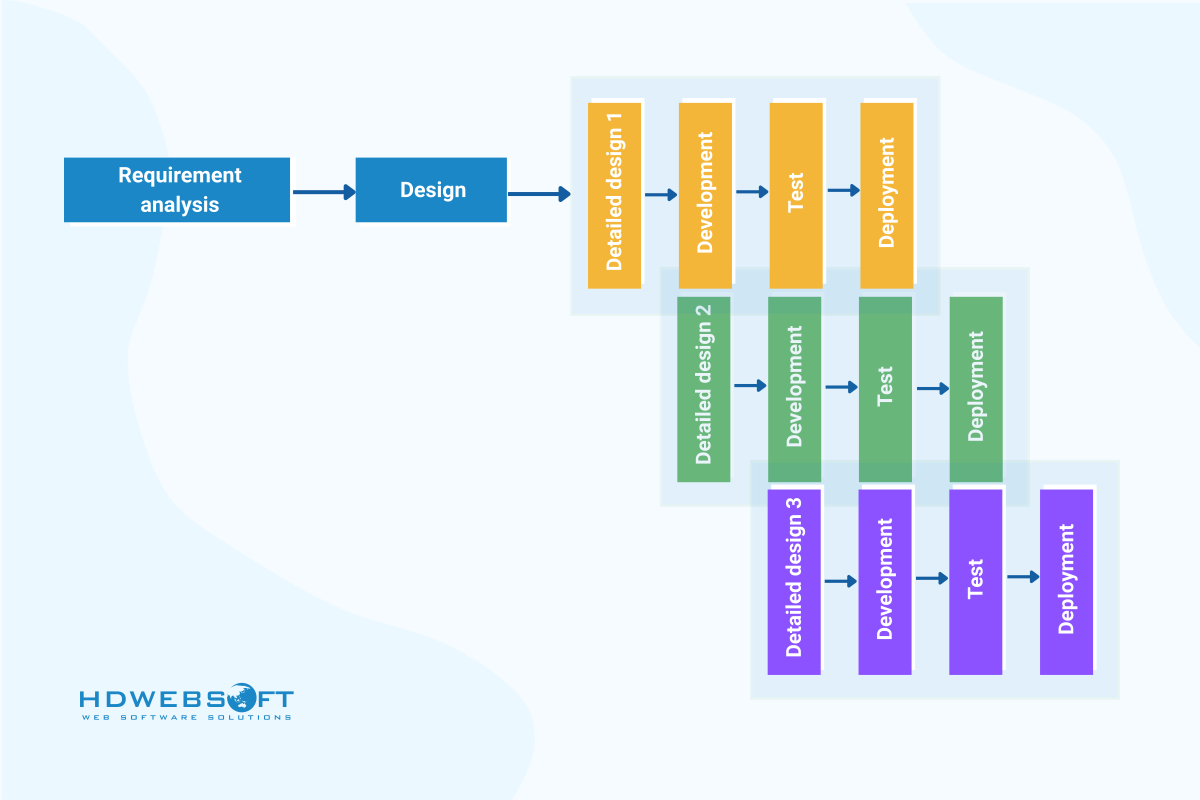
Iterative development では、software が繰り返しの cycle を通じて進化 します。各 iteration は前回を土台にするため、overall software design は保たれます。
この方式では complete specification は初期に不要 で、小さな changes は開発中に取り込めます。ただし、大きな requirements、特に system design に関わるものは早期に定めるべきです。
Use Cases
- evolving requirements を持ち、continuous customer feedback が有益な projects
- smaller, independent modules に分けられる large systems
- early delivery of core features が重要な applications
- frequent testing and design refinement を必要とする long-term projects
Spiral Model
Spiral model は detailed risk assessment を重視します。各 spiral iteration は約 6 か月で、planning、risk analysis、prototype development、前フェーズ評価の 4 活動から始まります。multiple spiral cycles は project timeline を長くすることがあります。
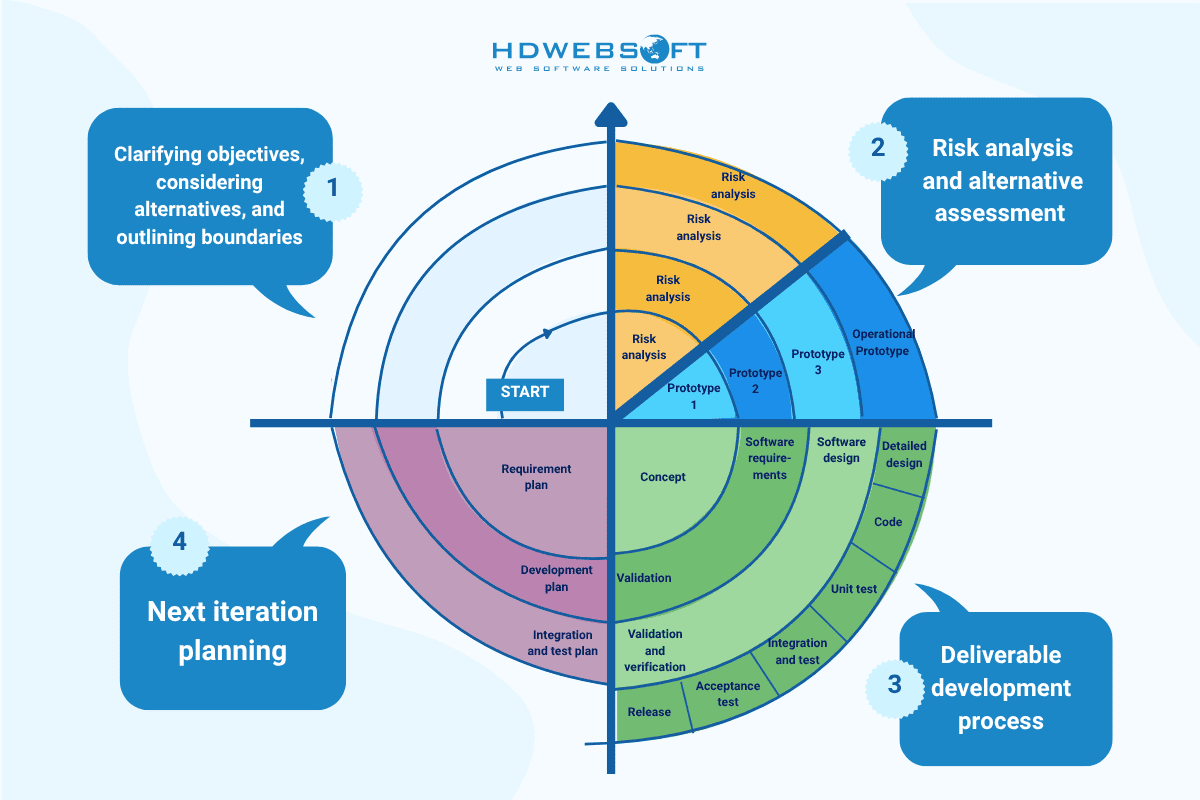
この model では customer participation も重要ですが、各 cycle の development が始まると、通常 customer changes は認められません。
Implementation contexts
- high-risk factors を持つ complex projects
- requirements が fully understood ではない systems
- early prototyping が有効な cases
- planning / review で frequent customer feedback が必要な projects
The Rational Unified Process (RUP)
RUP は linear と iterative の両方の approaches を組み合わせます。inception、elaboration、construction、transition の 4 phases に分かれます。
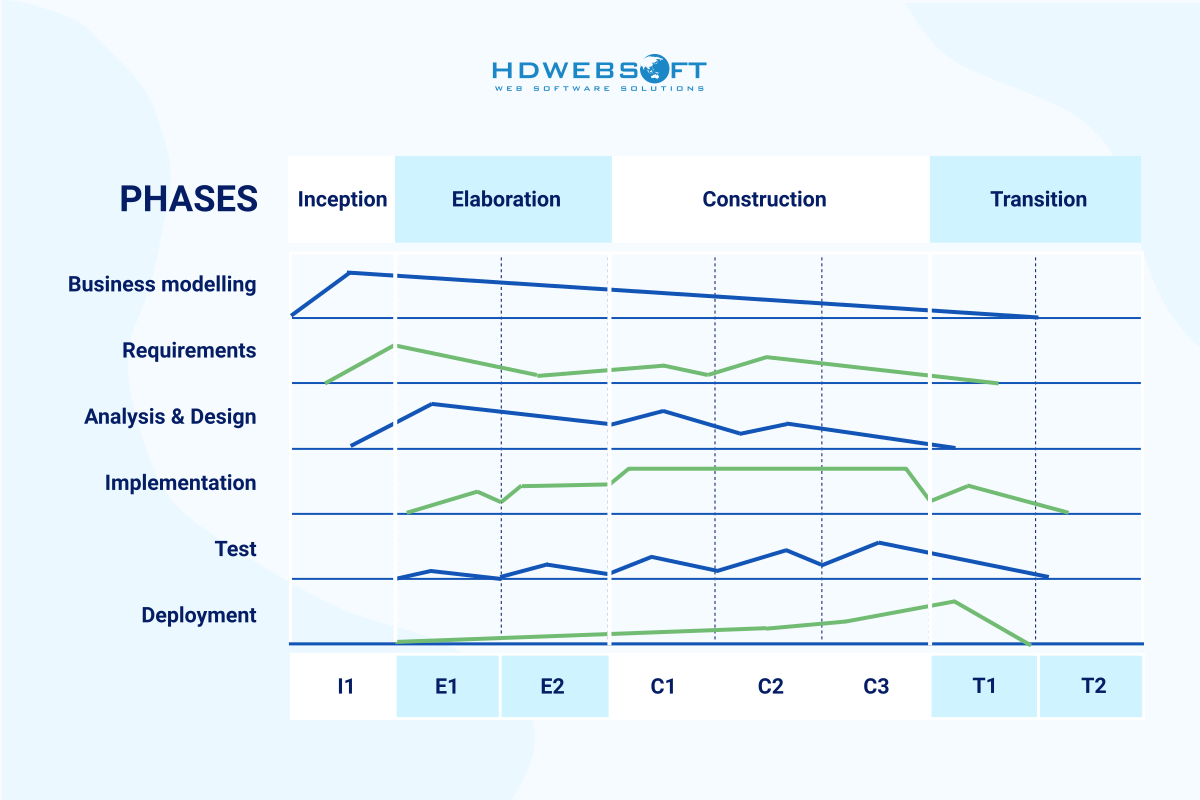
inception を除き、各 phase は複数 iterations を含みます。requirements gathering と design などの core activities は同時進行しますが、focus level は phase により異なります。
RUP は stable かつ flexible な solutions を作れますが、一般に pure Agile software development models よりは fast and adaptable ではありません。
Practical cases
- structured だが flexible な開発が必要な large-scale projects
- phase-wise progression と iterative refinement の両方が必要な projects
- traditional waterfall から iterative methods へ移行中の organizations
- varying levels of customer involvement を持つ software development efforts
Agile Software Development Model Group
残りの SDLC models の多くは Agile の umbrella に入ります。現在 71% の organizations が IT projects に Agile の何らかの形 を使っています。これらの models は iterative progress、strong team communication、early customer feedback を重視します。
Agile iterations は通常数週間で、working software を生みます。quick delivery of usable features を優先し、extensive documentation より testing を重視します。そのため development speed は上がりますが、support handover や maintenance は documentation 不足により難しくなる場合もあります。
Scrum
Scrum は Agile framework 内で最も widely adopted な SDLC models のひとつ です。sprints と呼ばれる短い structured cycles で working software を届けます。
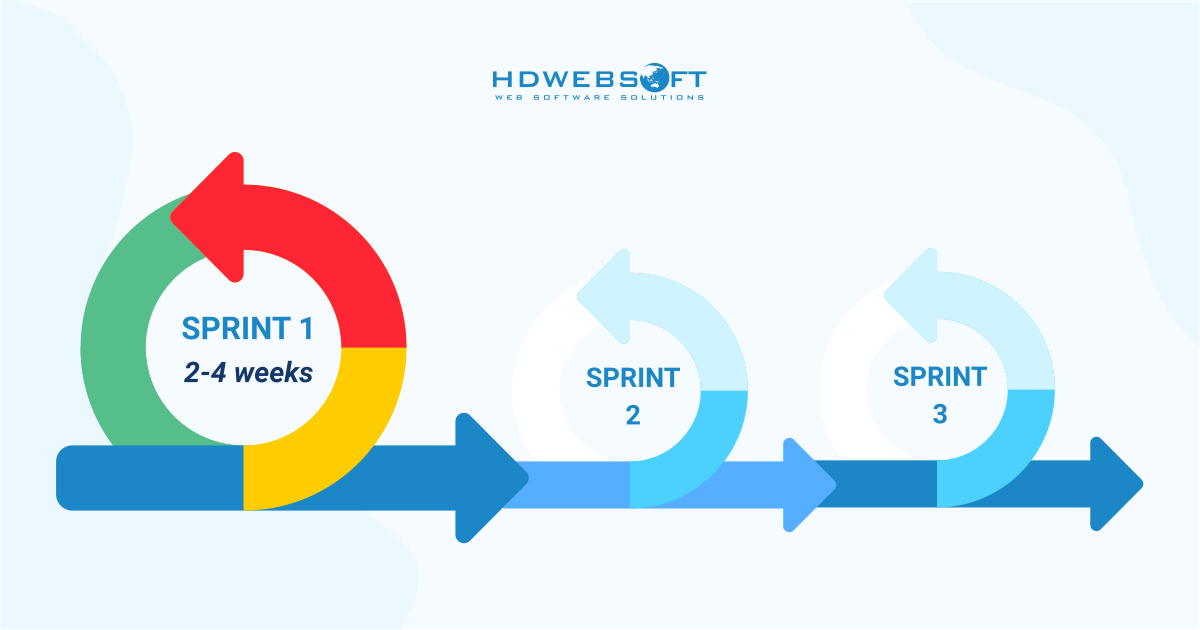
Scrum は transparency と accountability を促進し、daily stand-ups、sprint reviews、retrospectives といった structured events に依存します。各 sprint は detailed planning で始まり、scope が確定すると 次 cycle まで changes は許されません。
Extreme Programming (XP)
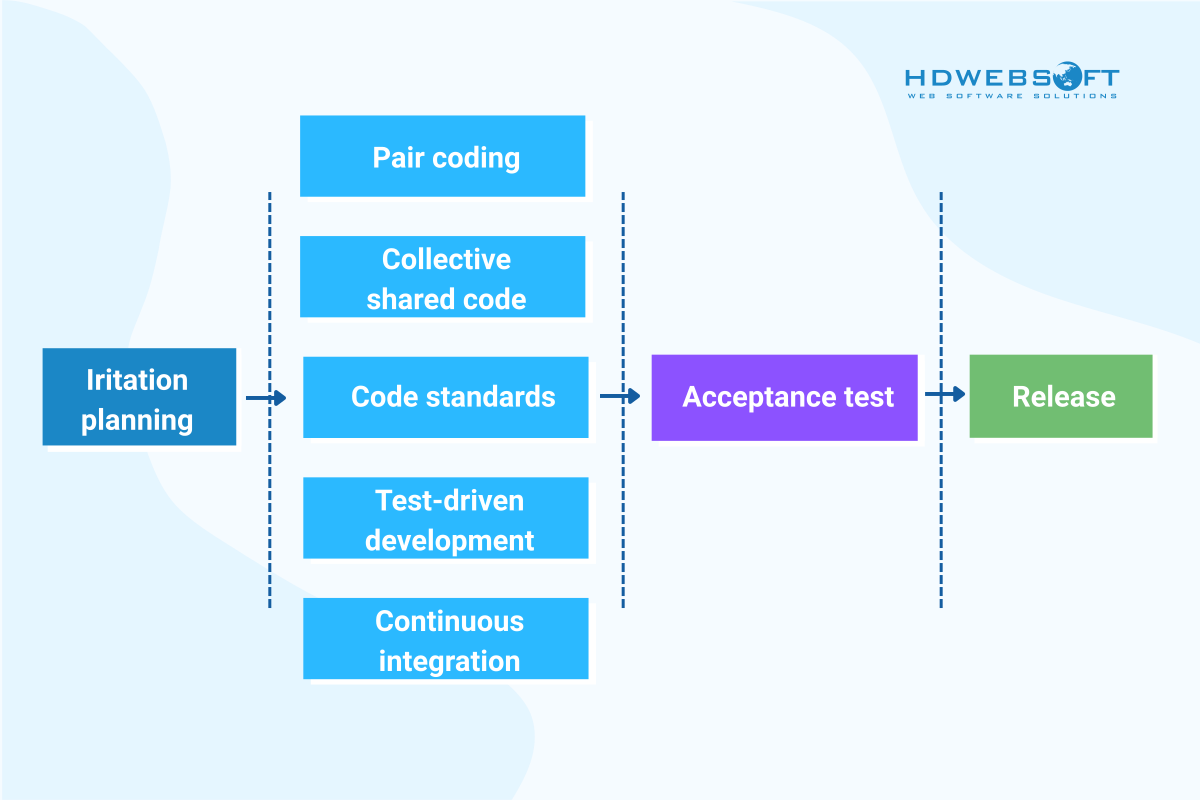
XP では iteration は 1〜2 週間です。affected software component にまだ着手していなければ、iteration 開始後でも changes を入れられる のが特徴です。ただし、この柔軟性は quality 維持を難しくすることがあります。
そのため XP は pair programming、test-driven development、test automation、continuous integration、frequent small releases、simple design、consistent coding standards などの strict development practices を採用します。
Kanban
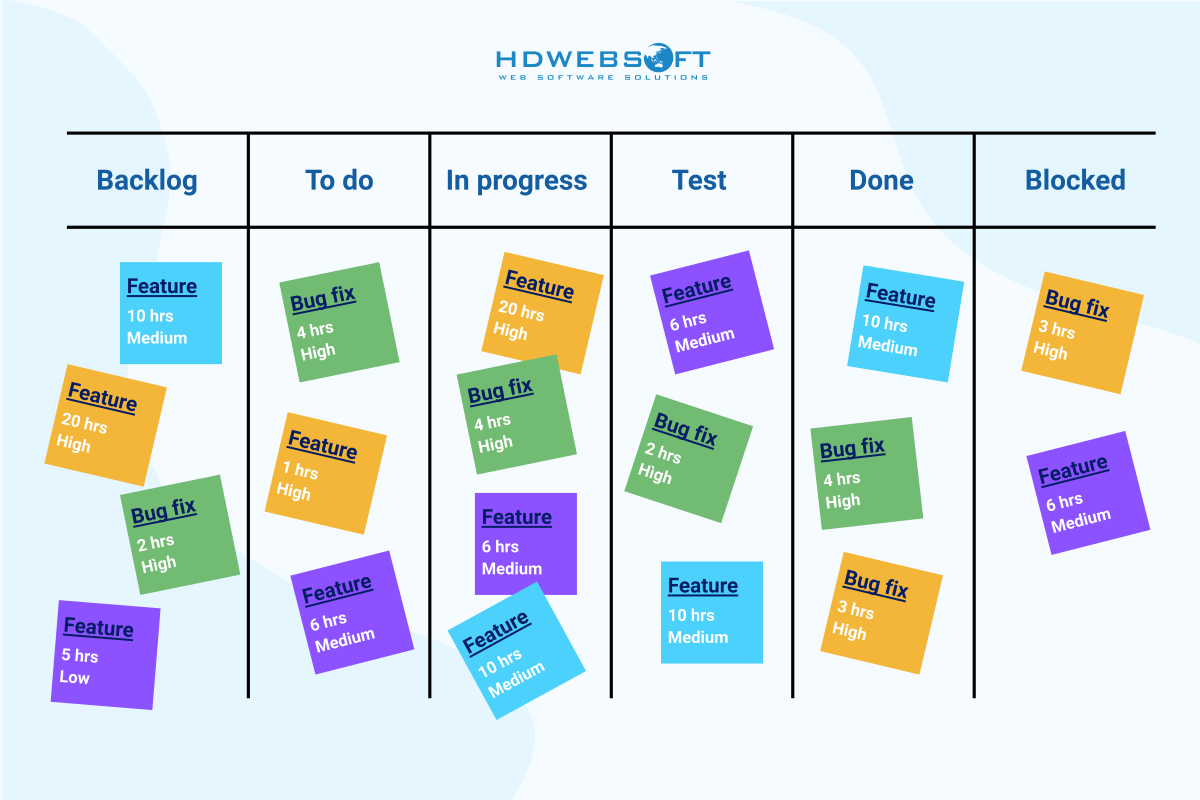
Kanban は clearly defined iterations を持たない ことが特徴です。あっても極端に短く、daily sprints と呼ばれることがあります。固定 cycle ではなく workflow visualization を重視し、Kanban Board を使って project activities、量、assigned team members、status を可視化します。
また、Kanban には separate planning stage がありません。 そのため new change requests は anytime に導入可能で、customer communication も continuous です。support projects や continuous improvement に適しています。
Further reading: Engagement Models in Software Development.
Conclusion
software development models の landscape は非常に多様 であり、それぞれ異なる project types や development needs に適しています。構造、principles、typical use cases を理解することで、industries 全体で software がどう evolve しているかをより深く理解できます。