AI image analysis は、画像を迅速かつ正確に解釈することが重要な今日の visual world で、ますます不可欠になっています。autonomous vehicles の誘導から disease detection まで、この技術はもはや未来の話ではなく、すでに印象的な成果を出しています。機械に“見る”力と visual understanding を与えることで、AI-based image analysis はこれまで human experts に限られていた insight を引き出します。
この投稿では、AI image analysis を定義し、computer vision との違いを説明します。加えて、その背後にある core technologies、AI が画像をどう処理するか、medical diagnostics の accuracy をどう高めるか、そして current challenges と ethical concerns も整理します。
What is an AI Image Analysis?
Definition of AI-based Image Analysis
その本質は、デジタル画像から意味のある情報や insight を自動抽出する AI system です。写真、X-ray、satellite image の中で、コンピュータが何を“見ている”のかを解釈するよう教えるイメージです。objects の識別、patterns の認識、scenes の理解、さらには visual data に基づく意思決定まで含みます。traditional image processing が pixels の操作に重きを置くのに対し、AI image interpretation は より深い理解レベル を目指し、raw visual input を actionable knowledge へ変えます。
The Distinction between AI Image Analysis and Computer Vision
しばしば同義で使われますが、AI image analysis と computer vision は異なるものです。computer vision は、コンピュータが visual world を理解・解釈するための広い AI 分野 です。静止画、video streams、3D data、さらには視覚認識に基づく環境との相互作用まで含みます。
一方、intelligent image processing は computer vision の中の特定用途 で、主に static digital images から情報を抽出することへ焦点を当てます。
Technologies Used
AI image analysis の能力を支えるのは、数多くの高度な技術です。中心にあるのは machine learning、特に deep learning です。deep learning は人間の脳構造に着想を得た artificial neural networks を使います。これらの networks は大量データで訓練され、複雑な patterns を学習します。その他の重要技術は次の通りです。
- Convolutional Neural Networks (CNNs)
- Feature Recognition
- Image Segmentation
- Datasets
- Image Filtering and Preprocessing
Further Reading: NLP and LLM: What are the differences?
How Does AI Analyze Images?
AI image analysis のプロセスは、通常いくつかの相互接続された段階から成り、raw pixel data を meaningful insights へ変換します。
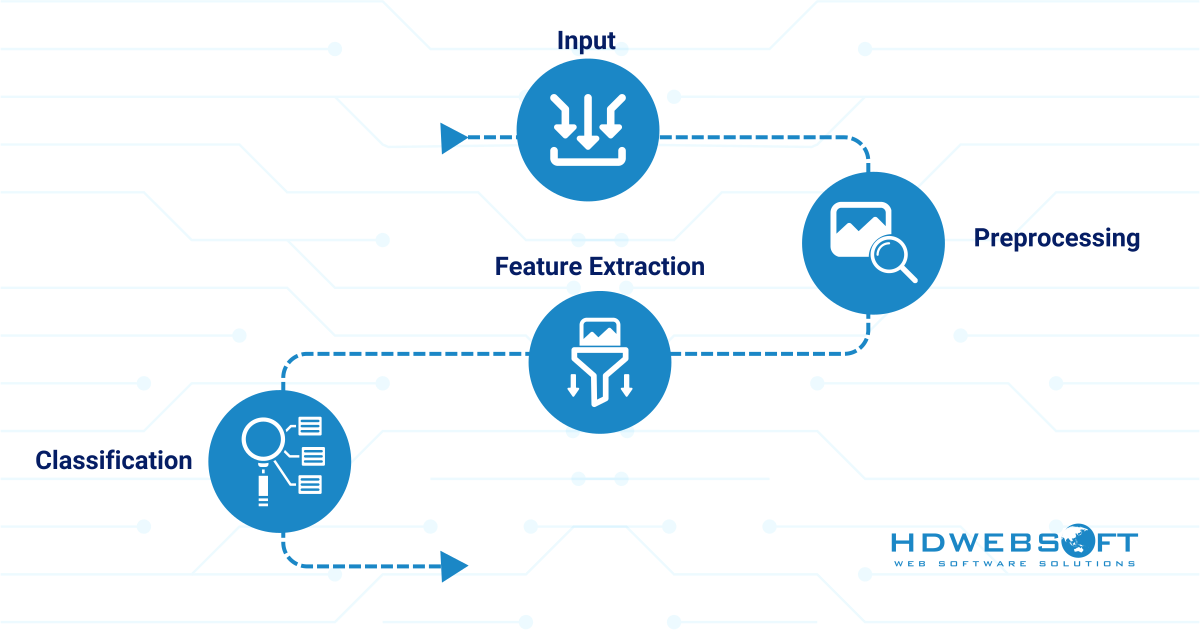
Input
始まりは入力画像です。smartphone の写真、hospital の X-ray、space からの satellite image などさまざまです。画像は、色と明るさを表す数値を持つ pixels の grid として扱われます。
Preprocessing
AI が効果的に解析する前に、画像はしばしば preprocessing stage を通過します。一般的なステップは次の通りです。
- Resizing
- Normalization
- Noise Reduction
- Grayscale Conversion
Feature Extraction
この段階では、AI image analysis tool が前処理済み画像から relevant features を識別・抽出 します。deep learning の登場により、この工程の多くは自動化されました。
Neural Networks、とりわけ CNNs が重要な役割を果たします。初期 layers は basic features である edges、corners、textures を見つけ、より深い layers は それらを複雑な patterns に組み合わせて、最終的には objects そのものを認識します。
たとえば medical image では、初期 layer が subtle tissue irregularities を見つけ、後段の layers がそれを統合して potential tumor を識別する ことがあります。
Classification / Interpretation
feature 抽出後、AI image analysis model はそれらを使って画像を分類したり、特定の解釈タスクを行ったりします。 たとえば:
- Image Classification
- Object Detection
- Image Segmentation
- Anomaly Detection
Role of Labeled Datasets
AI モデルの優れた能力は、vast and accurately labeled datasets の存在に根本的に依存しています。これらは human experts によって丁寧に annotated された画像群 です。こうした labeled data は training 中の “ground truth” として機能し、AI image analysis model が visual patterns とその意味の複雑な関係を学ぶ 助けになります。
How Does AI Improve the Accuracy of Medical Image Analysis?
medical diagnostics への AI image interpretation の統合は、accuracy と efficiency を大きく引き上げる変革要素になっています。
Factors Affecting Accuracy
medical contexts における AI image analysis の accuracy は、training data の quality / quantity、model architecture の sophistication、そして具体的 clinical context に強く依存します。ある研究では、特定の medical imaging tasks において、AI algorithms が 93% sensitivity と 91% specificity を示しました。
Improved Anomaly Detection
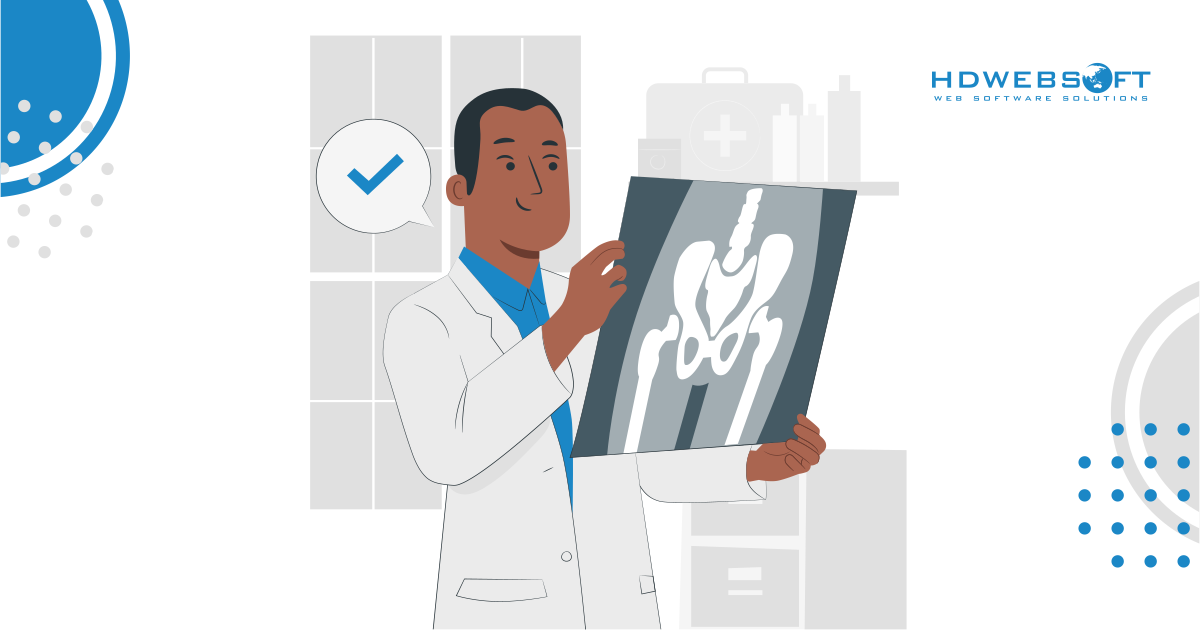
AI-based image analysis の最も大きな貢献のひとつは、anomalies をよりよく検出できること です。複雑な organ の中の microscopic tumor や、bone の hairline fracture のような subtle indicators は、人間には見逃されやすいです。AI image analysis algorithms は、そうした minute patterns and deviations を見分けられます。
Efficiency in Diagnostic Workflows
さらに、AI-based image analysis は diagnostic workflows に 比類ない speed と efficiency をもたらします。radiologists や pathologists は大量画像を日々扱いますが、AI systems はそれを短時間で処理し、areas of interest の segmentation、suspicious regions の flagging、preliminary reports の生成まで支援できます。
Minimizing Human Error
最後に、AI image analysis の重要な利点 は、human error を減らせること です。AI は human medical experts を置き換えるのではなく、valuable assistant として second opinion を与えます。
What Are the Limitations of AI Image Analysis?
大きな能力がある一方、AI-based image analysis にも重要な制限があります。
Data Privacy and Security Concerns

大きな懸念は data privacy と security です。AI image analysis systems は massive datasets へのアクセスを必要とすることが多く、特に healthcare のような sensitive domain では個人情報を含む可能性があります。そのため secure handling、storage、processing が非常に重要になります。
The Challenge of Labeled Data
もうひとつの大きな hurdle は、大量の labeled datasets が必要なことです。特に medical imaging のような specialized field では、ラベリングは labor-intensive で costly、しかも domain expertise が必要 です。
Bias and Ethical Issues
AI image analysis model を構築する training data が biased なら、モデルもその bias を継承します。 これはデータの多様性不足や社会的偏見を反映してしまうことで起こりえます。
The “Black Box” Problem and Explainability
特に CNN のような複雑モデルでは explainability が大きな課題です。critical areas である medical diagnosis では、この lack of clarity は重要な懸念 です。だからこそ clinicians need to understand the reasoning behind AI outputs なのです。
Conclusion
AI image analysis は、私たちが visual world を解釈する方法を大きく変えています。ただし、data privacy、bias、model transparency の課題は依然として重要です。その潜在力を正しく実現するには、AI が ethical、transparent、fair に運用される必要があります。
HDWEBSOFT では、業界ごとの needs に合わせた custom AI solutions を提供しています。innovation、security、transparency を重視しながら、AI を責任ある形で効果的に活用できるよう支援します。