


Was ist Amazon Web Services Softwareentwicklung?
Amazon Web Services (AWS) behält zum zehnten Mal in Folge den Titel „Cloud Leader“ von Gartner. Die AWS-Cloud bietet umfassende IaaS-, PaaS- und SaaS-Funktionalität sowie vielfältige Möglichkeiten für hybride IT-Infrastrukturen. AWS eignet sich für:
Ausgewählte Amazon Web Services
Informieren Sie sich über unsere Dienstleistungen im Bereich der Entwicklung von Buchhaltungssoftware, die von unseren branchenführenden Experten angeboten werden und das Wachstum und die Innovationskraft Ihres Unternehmens fördern.
Cloud Computing
- Amazon EC2 — Anpassbare virtuelle Computing-Instanzen, die bei Bedarf skaliert werden können.
- Amazon EC2 Auto Scaling — Automatisches reaktives und prädiktives Skalieren von Instanzen.
- AWS Lambda — Ausführung von Code in einer Serverless-Umgebung.
- AWS Elastic Beanstalk — Automatisierte Bereitstellung von Web-Apps in automatisch skalierten und lastverteilten Modellen.
- Amazon Lightsail — Von AWS verwaltete virtuelle Umgebung für die schnelle Bereitstellung von leichtgewichtigen Web-Apps, Websites und Datenbanken.
- AWS Outposts — Lokal ausgeführte APIs und Tools zur Erweiterung der AWS-Infrastruktur mit lokalen Computing- und Speicherkapazitäten.
- AWS Batch — Dynamisch skaliertes Cloud-Computing für Batch-Workloads in der Cloud.
- AWS Snow Family — Hardwaregeräte für Offline-Edge-Computing und Datenspeicherung.
Speicher
- Amazon Simple Storage Service (S3) — Umfassende Speicherung und Verwaltung von Daten in einer vollständig verwalteten virtuellen Umgebung.
- Amazon S3 Glacier — Langfristige Archivierung und Backup-Replikation sensibler Daten mit erweiterten Sicherheitsfunktionen.
- Amazon Elastic Block Store (EBS) — Block-Speicherung mit Datenreplikation über strategische Zonen zur Gewährleistung schnellen Zugriffs.
- Amazon Elastic File System (EFS) — Verwaltetes Netzwerk-Dateisystem für EC2-Workloads mit erweiterten Sicherheitsfunktionen.
- AWS Storage Gateway — Hybride Datenspeicherung für Cloud-Skalierbarkeit und geringe Latenzen.
- Amazon FSx — Vollständig verwaltete Dateispeicher-Kompatibilität.
- AWS Backup — Zentrale Backup-Verwaltung über AWS-Workloads hinweg.
- CloudEndure Disaster Recovery — Backup-Replikation virtueller Instanzen und System-Snapshots über verschiedene Regionen.
Datenbanken
- Amazon RDS — Nutzung von Datenbanken: Aurora, MySQL, PostgreSQL, Oracle, SQL Server und MariaDB.
- Amazon Aurora — Hochverfügbare, sichere und zuverlässige relationale Datenbank, kompatibel mit PostgreSQL und MySQL.
- Amazon DynamoDB — Verwaltung nicht-relationaler Datenbanken mit Auto-Scaling, Verschlüsselung ruhender Daten sowie Snapshot-Backups und Archivierung.
- Amazon ElastiCache — Einrichtung und Verwaltung von Datenspeichern und verteiltem Caching für anspruchsvollste Workloads.
- Amazon DocumentDB — Nicht-relationale Dokumentdatenbank zum Speichern, Indizieren und Abfragen von JSON-Daten.
- Amazon Neptune — Graphdatenbank-Engine mit niedriger Latenz, optimiert für hochskalierte und vernetzte Datensätze.
- Amazon Keyspaces (für Apache Cassandra) — Ausführung von Apache Cassandra-Datenbanken auf AWS.
IT-Infrastruktur-Management
- AWS Systems Manager — Verwaltung und Automatisierung mehrerer AWS-Aufgaben, einschließlich analytischem Ressourcen-Monitoring.
- AWS CloudFormation — Verwaltung von Cloud-Infrastrukturressourcen mit der IaC-Methode.
- Amazon CloudWatch — KI-gesteuertes Performance-Monitoring von AWS-Ressourcen und -Apps.
- AWS Trusted Advisor — Assistenzwerkzeug zur Verbesserung von Performance, Kosten und Sicherheit der AWS-Infrastruktur.
- AWS Service Catalog — Erstellung und Verwaltung von Katalogen genehmigter AWS-Services.
- AWS Control Tower — Verwaltung einer Multi-Account-AWS-Umgebung.
Netzwerk und Content Delivery
- Amazon CloudFront — Content-Delivery-Netzwerk gewährleistet latenzarme Datenverteilung über ein globales Netz von Edge-Servern.
- Amazon VPC — Virtuelles Netzwerk mit privaten IP-Adressen, Subnetzen, Gateways und Sicherheitsebenen.
- AWS Transit Gateway — Kommunikation zwischen VPCs und lokalen Netzwerken über das öffentliche Internet.
- Amazon Route 53 — DNS-Service, der eingehende Anfragen an AWS-Infrastrukturkomponenten weiterleitet.
- Elastic Load Balancing (ELB) — Intelligente Verteilung dynamischer Verkehrslasten auf mehrere Server.
Sicherheit
- AWS Key Management Service — FIPS 140-2-konformer Service zum Erstellen und Verwalten kryptografischer Schlüssel.
- AWS Identity and Access Management (IAM) — Verwaltung von Zugriffsrechten auf AWS-Ressourcen.
- AWS Secrets Manager — Zugriffsverwaltung über einen API-Aufruf ohne Einbettung von Zugangsdaten in eine App.
- AWS Security Hub — Zentrale Verwaltung von Sicherheitsereignissen und -warnungen mehrerer AWS-Sicherheitsdienste.
- AWS WAF — Web-Anwendungs-Firewall mit anpassbaren Regeln und Mustern gegen Sicherheitsbedrohungen.
- AWS Shield — Automatischer DDoS-Schutz für AWS-gehostete Apps.
- Amazon Detective — Bewertung potenzieller Sicherheitsbedrohungen und ML-gestützte Untersuchung von Schwachstellenursachen.
Analytik
- Amazon Redshift — Geclustertes Data Warehouse für Datenanalyseaufgaben.
- AWS Lake Formation — Schneller Aufbau sicherer Data Lakes in AWS.
- Amazon Kinesis — Erfassung, Aufbereitung und Analyse von Echtzeit-Datenströmen im großen Maßstab.
- AWS Glue — ETL-Service zur Datenaufbereitung für anschließende Analysen.
- Amazon EMR — Ausführung und Skalierung von Spark, Hive, HBase, Flink und Hudi für Big-Data-Analysen.
- Amazon Managed Streaming for Apache Kafka — Aufbau und Betrieb von Apache Kafka-Analyse-Pipelines.
- Amazon QuickSight — Schneller Business-Intelligence-Service mit Dashboards in Ihren Apps.
Machine Learning
- Amazon SageMaker — Schneller Aufbau, Training und Bereitstellung von Machine-Learning-Modellen.
- Amazon Elastic Inference — Kostengünstiges GPU-Cloud-Computing zur Ausführung von Deep-Learning-Vorhersagen.
- Amazon Forecast — Präzise Predictive-Analytics-Engine.
- Amazon Rekognition — ML-gestützte Bild- und Videoanalyse auf Basis fortschrittlicher neuronaler Netzwerkmodelle.
- Amazon Comprehends — ML-gestützte Textanalyse zum Auffinden logischer Zusammenhänge und Erkenntnisse.
Migration
- AWS Migration Hub — Planung und Nachverfolgung mehrerer Migrationen über AWS- und Partner-Migrationslösungen.
- AWS Application Discovery Service — Bewertung und Gruppierung lokaler Serverlasten für die AWS-Migration.
- Migration Evaluator — Automatische Prototypisierung der AWS-IT-Infrastruktur zur Schätzung von Cloud-Kosten.
- AWS Database Migration Service — Homogene oder datenbankübergreifende Migrationen, die laufende Datenbanken verfügbar halten.
- AWS DataSync — Automatisierte Datenübertragungen vom lokalen Speicher zu AWS.
- CloudEndure Migration — Forklift-Migration von Apps und Services.
- AWS Transfer Family — Sichere Dateiübertragung zu AWS über SFTP und FTPS.
Containerisierung
- Amazon Elastic Container Service (ECS) — Automatisch skalierte und lastverteilte, auf VMs bereitgestellte und serverlose Container-Sets.
- Amazon Elastic Kubernetes Service (EKS) — Vollständig verwalteter Kubernetes-Service, integrierbar mit AWS Fargate.
- Amazon Elastic Container Registry — Verwaltung von Docker-Container-Images mit Zugriffssteuerung.
- AWS Fargate — Container in einer Serverless-Umgebung.
- AWS App2Container — Containerisierung von .NET- und Java-Apps und Migration zu AWS.
App-Integration
- Amazon Simple Notification Service (SNS) — Massen-Messaging zwischen Apps sowie SMS-, E-Mail- und Push-Benachrichtigungen.
- Amazon Simple Queue Service (SQS) — Nachrichtenwarteschlangen zwischen Softwarekomponenten.
- Amazon MQ — Plattformübergreifendes Messaging über Apache ActiveMQ.
- AWS Step Functions — AWS-Services für einwandfreie Funktionierung und schnelles Debugging Ihrer Cloud-Native-App.
- Amazon AppFlow — AWS-Services mit automatischer Datenverschlüsselung.
- AWS AppSync — Aufbau von GraphQL-APIs für sichere Datenströme.
Internet der Dinge
- AWS IoT Device Management — Registrierung, Überwachung und Wartung von gruppierten und einzelnen IoT-Geräten.
- AWS IoT Things Graph — Einfacher Aufbau von IoT-Strukturen durch visuelle Verbindung von Geräten und Services.
- AWS IoT Core — Verwaltete Umgebung, die sichere Kommunikation von IoT-Geräten mit Cloud-Apps gewährleistet.
- AWS IoT Events — Erstellung von Antwortszenarien auf Ereignisse innerhalb eines IoT-Netzwerks.
- AWS IoT Greengrass — Erweiterung von IoT-Geräten um AWS-Cloud-Funktionen.
- AWS IoT Device Defender — IoT-Sicherheitsverwaltung, Überwachung und Analyse.
Entwicklung, Tests und Bereitstellung
- AWS Cloud Development Kit (CDK) — Aufbau von AWS-Apps oder -Infrastrukturen mit Ihrer bevorzugten Programmiersprache.
- AWS CodeStar — Ermöglicht den Aufbau von CD-Pipelines und bietet einen sicheren Kollaborationsbereich.
- AWS CodePipeline — CI/CD-Service hilft bei der Automatisierung von Software-Erstellung, -Tests und -Bereitstellung.
- Amazon CodeGuru — ML-gestützte Code-Reviews geben Einblicke zur Code-Optimierung.
- AWS CodeArtifact — Kontrollierter Zugriff auf Artefakt-Repositories und automatisierte Paket-Feeds.
- AWS Device Farm — Emulierte Hardwaregeräte und Desktop-Browser zum Testen Ihrer Apps.
- AWS X-Ray — Karte der App-Services und deren Logik für Debugging und Tests.
- AWS Amplify — Schnelle Entwicklung und serverlose Bereitstellung von Mobile- und Web-Apps.
- Amazon API Gateway — Erstellung und Pflege sicherer APIs mit skalierbarem Aufruf-Durchsatz.
Mediendienste
- Amazon Interactive Video Service — Live-Video-Streaming und Batch-Konvertierung von Audio- und Videodateien.
- AWS Elemental MediaConnect — Sicherer Service für die öffentliche und private Verbreitung von Videoinhalten.
- AWS Elemental MediaLive — Codierung und Übertragung von Live-Video-Streams.
- AWS Elemental MediaTailorVideo — Integration gezielter Werbespots in Video-Streams.
Geschäftsanwendungen
- Amazon Chime — Integrierter sicherer Kommunikationsdienst für Audio- und Videoanrufe sowie Chats.
- Amazon Honeycode — Codeless-App-Entwicklung zur Verbesserung von Teamarbeitsprozessen.
- Amazon WorkDocs — Dokumentenfreigabe und -zusammenarbeit auf Unternehmensniveau mit Datenverschlüsselung.
- Amazon WorkMail — Business-E-Mail- und Kalender-Service, kompatibel mit IMAP-Clients.
- Amazon WorkSpaces — Zentral verwaltete skalierbare virtuelle Desktops für geschäftliche Anforderungen.
Häufige Anwendungsfälle für die Softwareentwicklung mit Amazon Web Services
- Containerisierung von Legacy-Apps in EC2.
- Entwicklung von Cloud-Apps.
- Implementierung von Cloud-Native-IT-Infrastrukturen.
- App-Integrationen über AWS-Messaging-, Gateway- und Warteschlangendienste.
- Cloud-App-Entwicklung mit fortschrittlichen AWS-Komponenten: KI, Big Data, IoT, Computer Vision usw.
- Virtuelle Private Cloud (AWS VPC).
- Edge-Caching und globale Content-Bereitstellung mit Amazon CloudFront.
- Serverless-Microservices-Containerisierung (Amazon ECS, Amazon Elastic Kubernetes Service).
- Fertige spezialisierte Services: KI, ML, Blockchain, Medienübertragung usw.
- Globale Content-Bereitstellung und Edge-Lastverteilung.
- Entwicklungs- und CI/CD-Automatisierungstools: AWS CodeStar, AWS CodePipeline.
- Messaging-Services und Warteschlangen-Broker (Amazon SQS, Amazon MQ) für garantierte Datenkommunikation zwischen Apps und Microservices.
- Zentrale Verwaltung hybrider IT-Infrastrukturen mit AWS Systems Manager.
- Ausführung von AWS-Services und -Tools mit AWS Outposts.
- Einheitliche Sicherheitsverwaltung für Cloud- und lokale IT-Komponenten in AWS Security Hub.
- Verschlüsselung von Daten bei Übertragung und im Ruhezustand.
- Erstellung und Verwaltung kryptografischer Schlüssel (AWS KMS).
- Native SIEM-, Perimeter- und Komponenten-Sicherheit sowie Zugriffsverwaltungsdienste.
- FIPS 140-2 Level 3-konforme Hardware-Sicherheitsmodule.
- Skalierbare Data Warehouses und Analysen (Amazon RedShift).
- Big-Data-Analysen mit nativen und Drittanbieter-Lösungen (Amazon ElasticSearch, Amazon EMR).
- Predictive Analytics mit Amazon Forecast.
- Aufbau, Training und Bereitstellung von Machine-Learning-Modellen.
- Automatisierte Datenbankmigration mit AWS Database Migration Service.
- Skalierbarer Big-Data-Speicher (S3).
- Speicherung von Big Data mit AWS Lake Formation.
- Cosmos DB – automatisch skalierte nicht-relationale Datenbanken mit Datenverschlüsselung im Ruhezustand.
- Batch- und Echtzeit-Big-Data-Analysen mit Amazon EMR.
- Big-Data-Verarbeitung von Logs und Text mit Amazon ElasticSearch.
- Codeless-Entwicklung von IoT-Anwendungen mit AWS IoT Things Graph.
- Automatisierte Reaktion in IoT-Strukturen über AWS IoT Events.
- Identity- und Access-Management sowie sichere Kommunikation von IoT-Geräten (AWS IoT Greengrass).
- Neuronale Netzwerkmodelle zur Bilderkennung.
- Entwicklung von Computer-Vision-Anwendungen mit Amazon Rekognition.
Vorteile der Softwareentwicklung mit Amazon Web Services
+62%
Effizienzsteigerung des IT-Infrastrukturpersonals durch bessere Management- und Überwachungstools.
+25%
Schnelle App-Entwicklung dank effizienter CI/CD-Prozesse und integrierter AWS-Services.
+94%
Schnelle Problemlösung dank Snapshot-Backup- und Wiederherstellungsfunktionen.
Warum HDWEBSOFT wählen?
HDWEBSOFT, ein führendes Cloud-Softwareentwicklungsunternehmen in Vietnam, verfügt über mehr als14Jahrelange Erfahrung in der Nutzung der Vorteile von Cloud-Technologien durch unsere maßgeschneiderten Cloud-Softwareentwicklungsdienste, um die Bedürfnisse unserer Kunden zu erfüllen. Unsere Experten sind zertifiziert und erfahren darin, das volle Potenzial von Cloud-Technologien für die Anwendungsmigration oder -rekonstruktion von Unternehmen auszuschöpfen. Darüber hinaus führen wir eine umfassende Analyse durch, um Ihre bestehende IT-Infrastruktur zu identifizieren und einen detaillierten Plan für Kosteneffizienz und alle wichtigen Kriterien vor der Entwicklung oder Migration zu erstellen. Nutzen Sie jetzt die Vorteile von Cloud-Plattformen – mit unserer Unterstützung!
Fallstudien
Da wir über mehr als ein Jahrzehnt Erfahrung in diesem Bereich verfügen, zählen wir unter anderem zu den führenden Softwareentwicklungsunternehmen. Lassen Sie unsere erfolgreichen Projekte für sich und unsere technologische Kompetenz sprechen. Erfahren Sie unten mehr darüber.

KI-gestützte Multi-Tenant-Plattform für Darlehensmanagement
HDWEBSOFT entwickelte eine Multi-Tenant-Webanwendung, mit der Broker-Unternehmen Darlehensanträge konfigurieren, Dokumente verwalten, KI-gestützte Workflows nutzen und Portfolioleistung analysieren können.
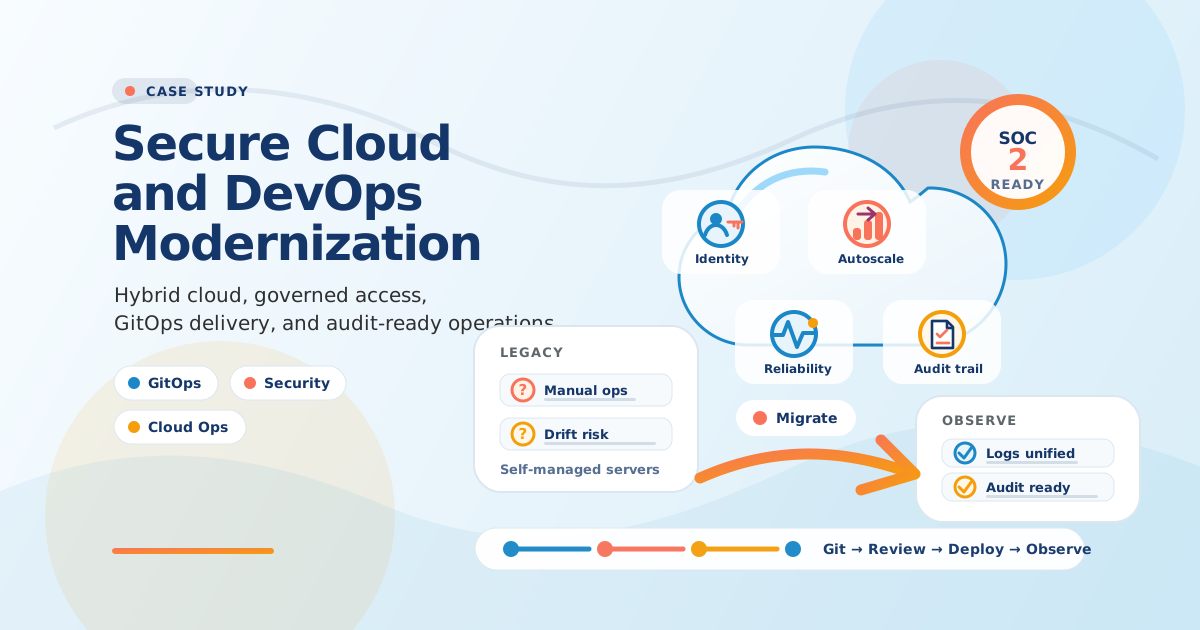
Sichere Cloud- und DevOps-Modernisierung für Call-Center-Betriebe
HDWEBSOFT half einem US-amerikanischen Callcenter-Technologieunternehmen, die veraltete, selbstverwaltete Infrastruktur in eine sichere Hybrid-Cloud- und DevOps-Plattform mit kontrolliertem Zugriff, wiederholbarer Bereitstellung und zentraler Observability zu modernisieren.

Salesforce- und Call-Center-Integration – Erfolgreiche AppExchange-Einreichung
Eine sichere, unternehmenstaugliche Callcenter-Integrationslösung, entwickelt mit robustem Apex und Lightning Web Components (LWC), verband erfolgreich ein führendes Cloud-Telefonsystem mit Salesforce. Das Projekt durchlief einen strengen Salesforce AppExchange Security Review und mündete in ein stabiles, verifiziertes Produkt, das auf der Plattform eingereicht wurde.